
Creating a Megadungeon
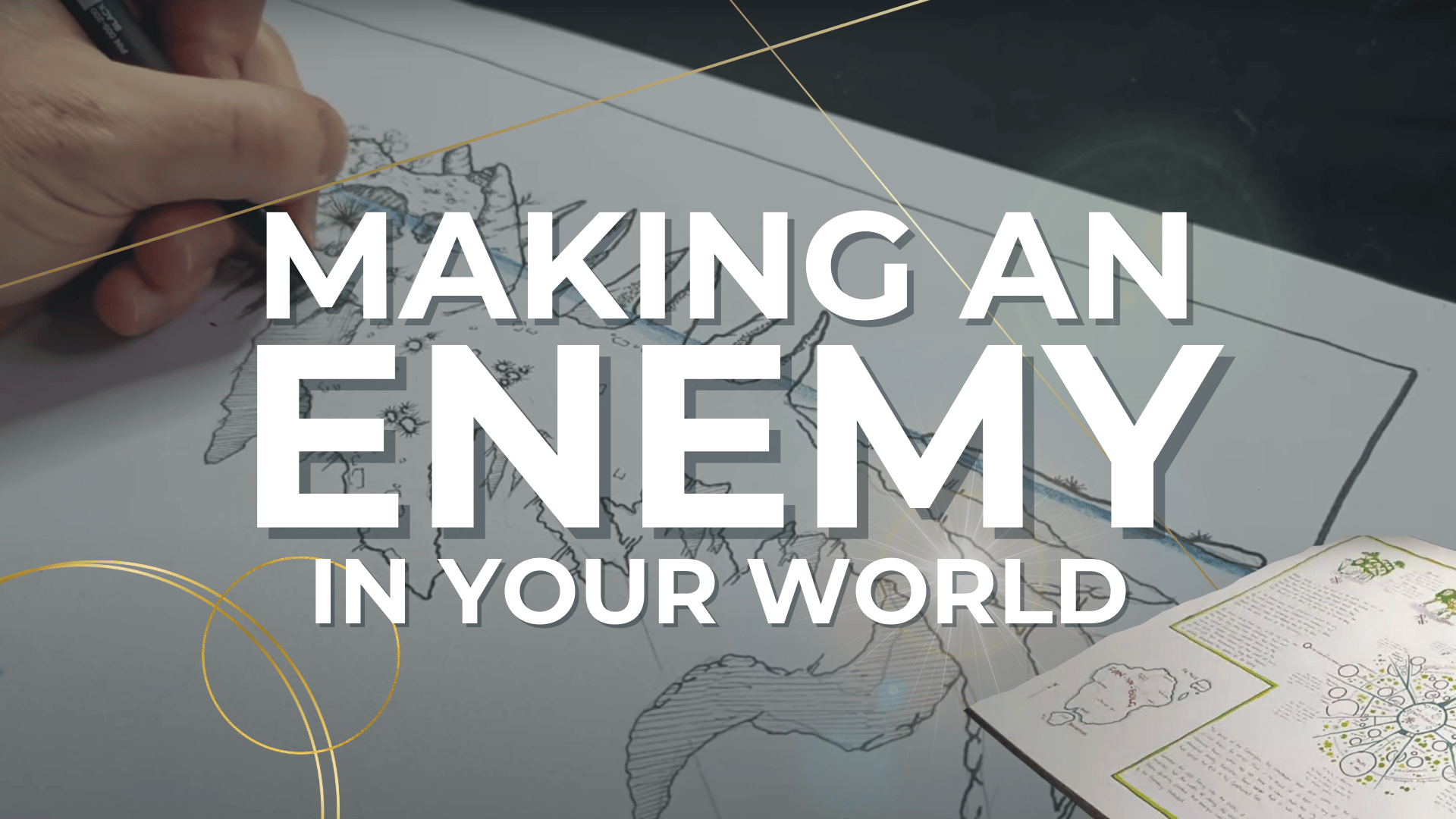
In the lower slopes of the northern mountains, in a forgotten valley the barely sees the light of day, lie the expansive ruins of an ancient enemy. There, through dozens of hidden entrances, you can venture beneath the earth into the winding, labyrinthine tunnels. Cave-ins and illusions hide the truth of these dusty chambers: beneath the apparent ruin is the hidden civilisation of forgotten foes. Welcome back to creating a megadungeon, and fleshing out an enemy race.
Welcome back, adventurers! My name is Ryan of the Red Quills, and I’m so pleased to be venturing back into the dark. In this episode of The Red Quills Guide to World Design, we will delve into the creation of one of the most iconic elements in Dungeons & Dragons and many other RPGs—the Megadungeon. Whether you're a seasoned dungeon master or just starting out, understanding how to craft an expansive, intricate dungeon will elevate your game to new heights. We'll explore its history, its purpose, and how to keep your players engaged as they navigate through its many layers. So, let's grab our maps and lanterns and get ready to venture into the depths!
This episode is the long-awaited sequel to our fan-favourite, How to Draw a Megadungeon. Not only was that episode hugely popular, but it sparked no end of questions and discussions that I promised to revisit. And now, we’re back! We’ll talk about creating them, using them, filling them, and keeping your players interested.
If you want to watch the full video tutorial, you can find it here: Creating a Megadungeon Part II: 2 Mega 2 Dungeon
As we go through and create the map, this post will follow with pictures and insights. If you'd like to download the map, you can find the full A2 version here: The Ruins of Tol Fallent

So, let’s start, as always, with the blank page.
_______________________________________________________________________

In our previous video, the megadungeon that I made - the map of the Azure Throne - was honestly a lot smaller than many megadungeons, for the purposes of practicality. While this tweaked a couple of noses, and there was a little discussion about how many entrances and layers a megadungeon needs, the concept of a megadungeon is actually very loose.
So, to begin with, let’s ask ourselves the important question.
What is a Megadungeon?
What is a megadungeon? Technically, it’s whatever you like. There are definitions out there, but they are often contradictory. The only real requirement of a megadungeon is that it is a very large, self-enclosed area that a party of TTRPG characters can explore, ideally over several sessions.
Examples of megadungeons can include:
- Vast, subterranean complexes, like this one
- Separate subdimensions of constantly-changing areas
- Or enormous castles or abandoned cities
There are other suggestions for what a megadungeon needs, like several floors or layers, multiple entrances and exits, separated areas populated with different races, but these are more like guidelines than actual rules.
As always, remember Rule 0: the DM is the ultimate power in the universe.
History of Megadungeons in RPG
Megadungeons have been a cornerstone of RPGs since the early days of Dungeons & Dragons. Originating from the earliest adventures, these sprawling, multi-level complexes provided endless exploration and challenges for players. The concept harks back to Gygax’s infamous Castle Greyhawk and other legendary creations that offered both combat and lore in abundance.
They are a great setting for short campaigns, enclosed quests, and modules for novice DMs, because the environment is controlled. But they also have a maligned reputation as occasionally becoming boring. We’ll talk more about that in a moment.
The Purpose of Megadungeons
Megadungeons serve several purposes in a campaign. They act as central hubs of adventure, offering countless opportunities for exploration, combat, and treasure hunting. They also provide a controlled environment where the dungeon master can introduce new elements of the story and test the players' skills in various scenarios.
A Megadungeon is a great environment for a new DM, and while it does pose its own challenges, it can be much easier to run than a true open world. You can use them to force a confrontation, provide stakes and pressure, or just to experiment with different concepts and encounters.
Benefits and Challenges of a Megadungeon
The challenges of a megadungeon are easy to list: creating a controlled environment is easy. Making that controlled environment continually diverting and interesting is harder. Repeating encounters, static ambiences, or lack of stakes can really build player fatigue - boredom and frustration are the big fears for new DMs, but there are ways around them that we’ll discuss.
On the other hand, having a self-contained area like a megadungeon - large enough to explore but small enough to be manageable - is a great boon to the beginner worldbuilder. The players can understand the rules of the world more easily, gather information and avoid the ‘don’t know don’t know’ problem.
So, how do we create an interesting environment to explore?

Making the Megadungeon Explorable
Creating a megadungeon isn't just about drawing maps. I mean, it’s a lot about creating maps. We love maps on this channel. But it's about making those maps come alive for your players. Before we talk about what to fill your megadungeon with, we need to talk about what it looks like.
Making a world that feels real is all about creating something that exists without your players’ interference. Most maps aren’t treasure maps: they don’t cease functioning once you get to the end destination. They can - and should - be used and reused over and over again. If your players want to traipse through a megadungeon and depopulate it as they go, then maybe the map won’t be usable again.
But if they can depopulate the entire place, then perhaps its not quite difficult enough for them. And they probably need to take a good long look at themselves in the mirror. Goblins are people too.
Speaking of, let’s start with the inhabitants.
Making an Inhabiting Population
As I said in the previous video, a megadungeon is more than just empty corridors and rooms; it's a living, breathing ecosystem. Start by thinking about the creatures and characters that inhabit this space. Are they hostile monsters, neutral denizens, or potential allies? Consider a mix of intelligent creatures with their own agendas and mindless beasts that pose a more straightforward threat.
In this case, I am creating what was once a city, buried in an ancient war. Over time, the survivors - afraid to come to the surface - dug themselves a warren deeper and deeper into the earth, and began to develop distinct cultures and traditions. The Ssthessic Vrasa is no more, but there are sections of the city inhabited by militant cultists who prey on the others, by simple workers kept trammeled by an entitled upper class, or by pragmatic communities that live closer to the surface, trying to walk the line between the world above and the world below.
Have at least one kind of community per wing or level, and make them distinct in their views towards outsiders, their methods of conflict resolution, and their trading and resource gathering.
Rules for Making Exploration Intriguing
I have three kinds of rules that I use to make the dungeon interesting to the players. They are ambient, active, and reactive. Let me explain.
- Ambient Rules: How the Dungeon Looks Without the Players
This one we’ve already touched on. If the world feels like it’s rendered moments before they arrive, the immersion is going to be difficult to achieve. So always ask yourself as you make the dungeon, what’s happening? What changes over time without their interference? The ambient rules aren’t just about the passive details, but about what exists without the prerequisite of their involvement.
- Active Rules: How the Dungeon Acts Towards the Players
Then you can move on to the active rules - how it will be for them. Who will give them a chance, and who won’t? Where are the traps, the puzzles, the things for them to find? Where are the enemies or the friends or the traders?
A good tip that I have for this is not to populate each individual room with NPCs. Don’t list rooms as being: “Ancient Armoury. Pieces of forgotten metal and a cold forge sits in the corner. A kobold lives here.” It’s a good start, but it doesn’t give the opportunity for them to change things by involvement.
Instead, write: “Ancient Armoury. A kobold, Svalta Boneneck, has made his den here after being driven away from his clan for theft. He resents them, writing messages of hate on the walls, and listens keenly for approach, hiding beneath the metal if anyone comes too loudly.” That gives you the ambience of the room, a basic history of the inhabitant, some clues for the players to find about the locals, and the prerequisites of whether they’ll find him - perhaps he’ll be hiding, or even run. Or they can negotiate with him: he hates his people, and might be willing to betray them.
- Reactive Rules: How the Dungeon Changes Because of the Players
The last kind of rule is the reactive rule. This is how things change after they leave. Because, as I said before, unless the players completely depopulate the world as they move through, things will be different for their involvement. If they kill Svalta Boneneck, they could take the things he stole back to their rightful owners and gain new allies. Or if they help him take revenge, the kobolds that survive may swear vengeance on the party.
The big rules are the most interesting: the politics of megadungeons exist in a relative balance until the arrival of the players. Maybe that can change, leaving the way for all-out war or transformative peace. More interesting is if someone within the dungeon notices their passing and begins to hunt them, gathering information about their methods and their abilities, to ambush them.
Let’s talk about the layers of your dungeon.

Layering your Megadungeons
Creating a layered, multifaceted megadungeon is essential for maintaining your players' interest and ensuring the environment remains dynamic and engaging. Each layer or section of your megadungeon should offer unique challenges, themes, and opportunities for exploration.
Themes Geared to your Players
When designing the different layers of your megadungeon, consider the interests and play styles of your players. Are they more interested in combat, puzzles, or storytelling? Tailor the themes of each level to match these preferences. For instance, one layer might focus on ancient ruins filled with traps and puzzles, while another is a war-torn battlefield teeming with hostile factions.
When you’re starting out as a DM, a simple question to ask your players is: what does your character want? Boil it down to a single word, and that will help you. You can create levels of the megadungeon based around these concepts: use the history of the megadungeon or the culture of its inhabitants to challenge your players’ assumptions and provide some questions for them to explore.
Entrances and Exits: Controlling their Movements vs Allowing Exploration
The design of entrances and exits in your megadungeon is crucial for controlling the flow of the adventure. Multiple entrances and exits can make the dungeon feel more open and less linear, giving players the freedom to choose their path. However, strategically placed chokepoints can help you control the pacing and ensure key encounters or plot points are experienced.
The way that I make a megadungeon is to create it in the sketch as it would be without any collapses or cave-ins or choke points. And then I add them in according to the Ambient Rules: how do the inhabitants defends themselves against each other? You can use keys to create contained fetch-quests, negotiations through territory for role-play, and so much more!
Encounters, Traps, and Puzzles
I’ve spoken a lot about the filling of your chambers in my previous video - the iterative rules, and the fractal methods for making areas and then chambers that have distinct fillings and functions. So I won’t go over that again in this video. But I will mention them again in the light of having a reactive dungeon.
Traps get reset. An encounter with a scouting party will mean that they don’t report back. Puzzles were made by someone and will have consequences if they aren’t reset. A party of players that want to take a rest in the darkness of a dungeon will need to be certain that they won’t be disturbed for at least an hour, and possibly up to eight hours.
Actually, let’s talk about that more.

Keep Your Players’ Interest
The key to a successful megadungeon is maintaining player engagement over multiple sessions. Here are some strategies to keep your players invested and excited as they delve deeper into the depths.
Ramping the Danger Over Time
A well-designed megadungeon gradually increases the stakes and challenges as players progress. Early encounters should set the tone and establish the dungeon's atmosphere, but the true danger should escalate as they venture deeper. This progression keeps players on their toes and provides a sense of achievement as they overcome increasingly difficult obstacles.
Consider introducing more formidable foes, complex traps, and intricate puzzles as the players advance. Additionally, raise the tension by incorporating environmental hazards like crumbling floors, rising floodwaters, or areas filled with toxic fumes. These escalating threats create a palpable sense of danger and urgency.
Using Rests and Exhaustion
Managing rest and exhaustion is crucial in a megadungeon setting. Long rests may be difficult to come by, forcing players to make strategic decisions about when and where to rest. Consider incorporating safe zones or hidden sanctuaries where players can recuperate, but make these areas rare and potentially challenging to reach.
Short rests can provide brief respites, but they should come with risks. Players might need to barricade themselves in a room, set up watch rotations, or find creative ways to secure their location. The constant threat of interruption or discovery adds tension and forces players to be resourceful.
Water, Food, and Supplies in the Darkness
Survival elements can enhance the realism and difficulty of a megadungeon. Tracking resources like food, water, and torches adds an extra layer of challenge and immersion. Players must plan their supplies carefully and make tough choices about what to carry and what to leave behind.
Incorporate opportunities for players to find or scavenge resources within the dungeon. Maybe they discover a hidden cache of provisions, trade with a neutral faction, or hunt subterranean creatures for food. Balancing scarcity and opportunity ensures that resource management remains an engaging aspect of the adventure.

Creating a megadungeon is a rewarding challenge that can provide countless hours of adventure for your players. By carefully designing its layers, inhabitants, and dynamic elements, you can craft a compelling and immersive experience that keeps your players coming back for more.
Remember, the key to a successful megadungeon is not just in the layout and encounters, but in the story it tells and the way it reacts to your players' actions. Keep the environment alive, make the challenges diverse and escalating, and ensure that every room and corridor holds the potential for discovery and excitement.
Thank you for joining me, Ryan of the Red Quills, in this deep dive into megadungeon creation. I hope this episode has provided you with valuable insights and inspiration for your own campaigns. As always, feel free to share your thoughts, questions, and megadungeon stories in the comments below. Until next time, happy adventuring!