

The Crystal Light: Free Adventure Module!
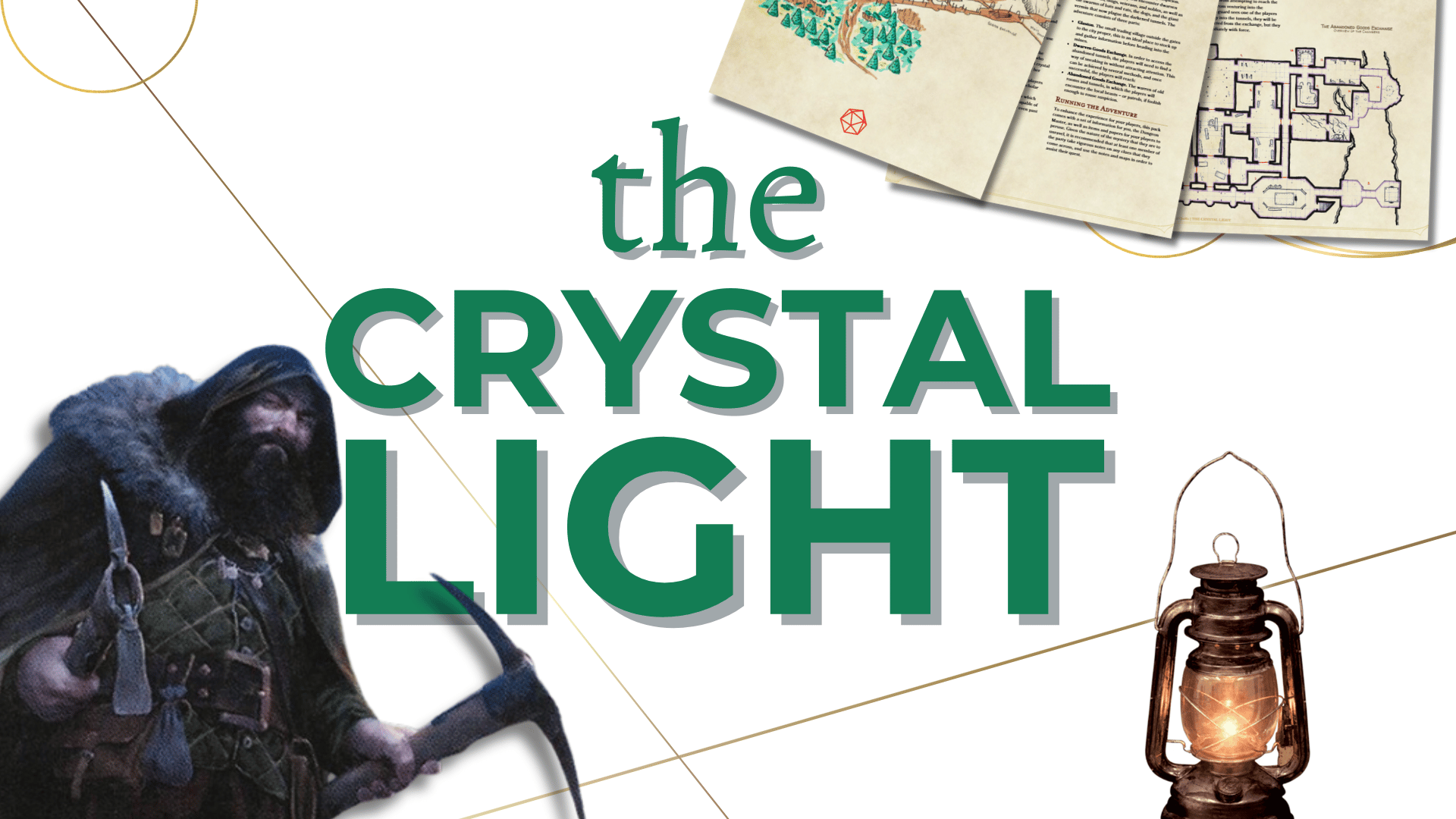
Welcome back, adventurers, for this week's adventure: the Crystal Light!
Today’s video dives into the fundamentals of crafting gridmaps, a must-have tool for any combat-focused adventure. Whether you’re planning an intense dungeon crawl or a tactical battlefield, gridmaps bring clarity and depth to your encounters.
In the video, I walk you through designing a simple yet effective gridmap using basic materials and techniques.
- So, why not check out the full video on our YouTube channel, if you haven't seen it already: Designing a BETTER Dungeon Crawl
- If you're looking for the downloadable maps and adventure module, then you can find it on the Red Quills Patreon channel for FREE to all!
- The Red Quills Journal is your best bet for written guides and tutorials on mapmaking, worldbuilding, and story development, so I'd recommend have a look through and seeing what we have for you!

Why Use Gridmaps in Your Adventures?
Gridmaps are an essential part of many tabletop RPGs. They provide a clear, measurable space for combat, helping players visualize their surroundings and strategize effectively. A well-designed gridmap can enhance gameplay by:
Creating immersion:
Players see the battlefield and better connect with the action.
Encouraging strategy:
Movement and positioning become key elements of gameplay.
Clarifying combat rules:
Spatial awareness minimizes confusion during encounters.
If you’re running an encounter-heavy campaign, a gridmap can be the difference between chaos and a streamlined session.

Step-by-Step Guide to Gridmap Creation
In today’s tutorial, I demonstrate how to create a simple gridmap perfect for your next session. Using just a few tools, including fine liners, acrylic markers, and sturdy paper, you can design a map that’s both functional and visually appealing.
Here’s a quick summary of the process:
Plan Your Layout:
Decide on the scale (e.g., one square = 5 feet) and the environment (dungeon, forest, town, etc.).
Sketch the Grid:
Use light pencil lines to mark out the grid on your paper.
Add Terrain Features:
Draw key features like walls, obstacles, or environmental hazards.
Detail and Color:
Use fine liners for outlines and acrylic markers to add color and texture.
Test the Map:
Lay down some miniatures and test movement to ensure usability.
By the end of the video, you’ll have a finished gridmap ready to enhance your next combat encounter.

Balancing Combat with Roleplay
While gridmaps are perfect for combat, they can also support roleplaying opportunities. For example:
- Add environmental clues players can investigate.
- Create chokepoints or hazards that require negotiation or creative thinking.
- Design areas that encourage characters to interact with the map in unique ways (e.g., climbing walls, triggering traps).
In the video, I share tips for incorporating these elements to ensure your gridmap doesn’t just serve combat but adds layers to your storytelling.

Watch the Tutorial and Get Started
If you haven’t watched today’s video yet, head over to the channel to follow along as I design a gridmap from start to finish. The materials I used are linked in the description, so you can easily find everything you need. I’d love to hear how you use gridmaps in your campaigns!
Share your thoughts in the comments below or tag me on social media with your creations. Until next time, happy mapmaking!