

What LIVES in a D&D Capital?
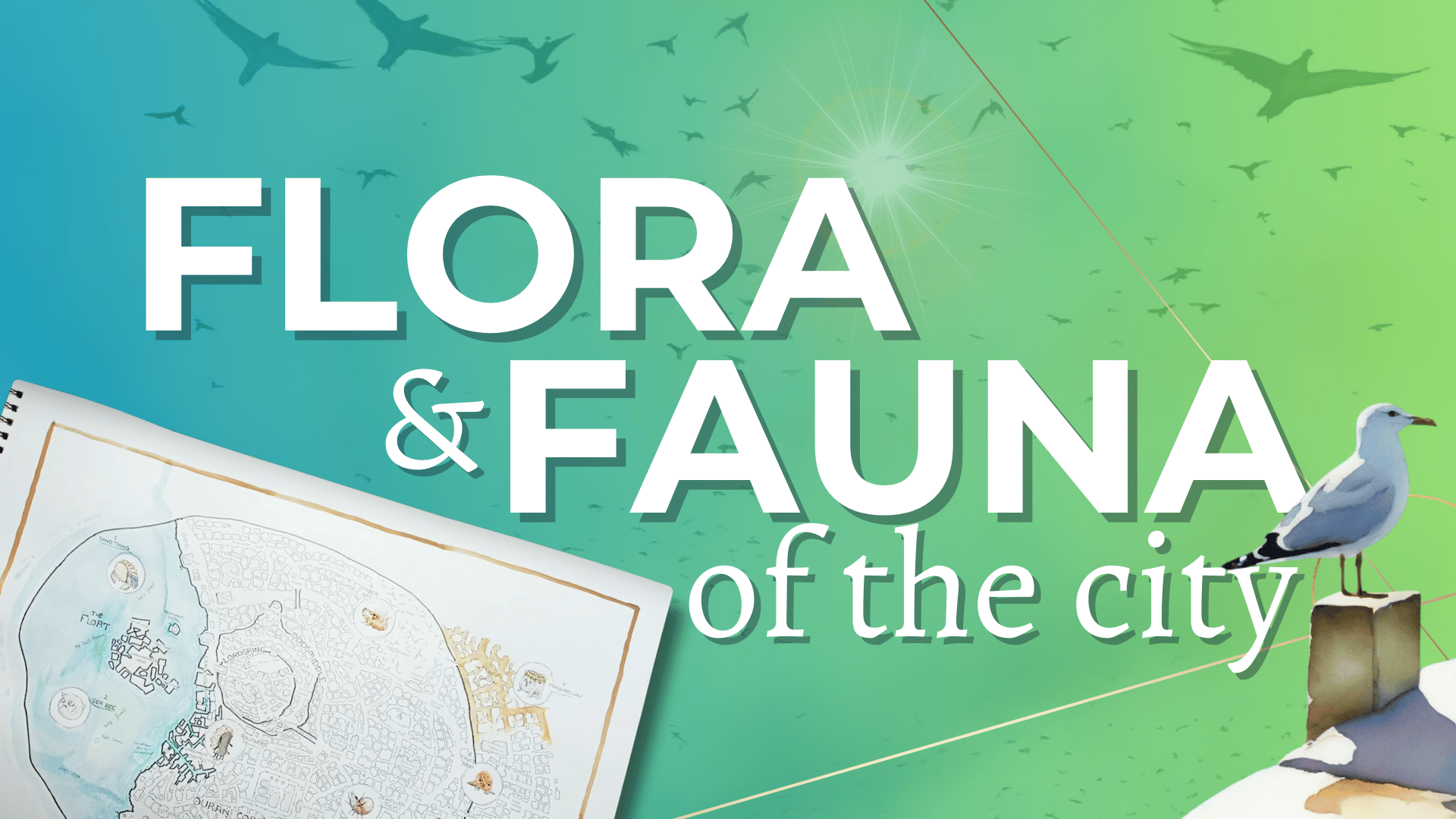
Welcome back to The Red Quills! In today’s episode, we’re taking a stroll through the bustling streets of Axiom, with the eyes of a naturalist. We’ll look beyond the grand architecture and the crowded markets to explore what lives in a fantasy city—the plants that grow in cracks between cobblestones, the animals that scurry through alleyways, and the unique creatures that call this urban jungle their home.
For this map, I've been privileged to work with the creatures created by Conflux Creatures and the Fluffy Folio, but as I work through it, I'll discuss creating creatures of your own, rather than working off of something that already exists.
Any fantasy city is more than just a collection of buildings; it’s a living, breathing ecosystem. From the street dogs that roam freely to the peculiar herbs cultivated in rooftop gardens, every element adds depth and character to your world. Today, we’ll focus on adding those layers of life that make a city feel truly alive.
If you want to watch the full tutorial, you can find it here: What LIVES in a D&D City?
Otherwise, we have a score of other naturalist's maps free for download here at the Red Quills Journal.
Join me as we sketch a naturalist’s map, revealing the hidden flora and fauna of Endon, and learn how to incorporate these details into your own campaigns. Let’s get started!

The Hidden Flora of Axiom
Urban Wilds: Plants That Thrive in the City
Even in a bustling capital, nature finds a way. The cracks in the pavement, the edges of rooftops, and the crevices of old stone walls are home to a surprising variety of plants.
Sketch out patches of hardy weeds like Cobbler’s Ivy, a vine that clings to brick and stone, known for its medicinal properties and its ability to deter pests. Add in tufts of Crow’s Moss, a dark, spongy plant that grows in shady, damp corners, used by apothecaries for its potent healing qualities.
Consider a few fantastical additions like the Wispthorn, a luminescent shrub that glows faintly at night and is rumored to ward off evil spirits, or the Thief’s Laurel, a rare plant with leaves that can be ground into a fine powder used by rogue alchemists to create smoke bombs. These plants offer not just visual interest but also practical uses in your world.
Think about their appearance, their properties, and their situations or environments.
Gardens of the Wealthy and Powerful
Axiom's noble and wealthy inhabitants often cultivate exotic gardens, both for pleasure and status. Think about how these carefully curated green spaces might look.
Sketch enclosed courtyard gardens filled with Moon Lilies, white flowers that bloom only at night, or Ember Orchids, whose petals shimmer with a fiery glow, a symbol of power and prestige. Add rooftop herb gardens, where plants like Mage’s Mint—a herb that enhances concentration and is favored by scholars—are grown in small, enchanted pots.
These curated gardens can also become plot points—a rare flower needed for a cure, or a secret garden where a noble conducts clandestine meetings. They bring both beauty and intrigue to the cityscape.
Creating specific flora with special properties for quests can add in more worldbuilding.
The Forest’s Edge: The Green Belt Around the City
Axiom isn’t just defined by its urban core; it has a green belt on its outskirts where the wild meets the tame. This area is home to plants that are a bit wilder and more unpredictable.
Sketch groves of Shadowbark Trees, whose leaves whisper secrets when the wind blows, or thickets of Bramblescorn, a spiky bush that produces sweet berries but hides thorny surprises beneath. Perhaps there are fields of Whisper Reed by the riverside, which produce haunting melodies when the wind moves through them, adding an eerie soundtrack to the city’s nights.
These are the places where players might find rare herbs or encounter creatures that don’t quite belong in the city proper, bridging the gap between civilization and wilderness.
In the full video, I discuss the differences between garden plants, weeds, and the encroaching forests. How they affect the city and the people dwelling within.

The Urban Fauna of Axiom
Common City-Dwellers
Axiom is teeming with life, from the common to the strange. Start with the ordinary—animals you’d expect in any large city. Sketch a few Street Cats, sleek and mysterious, rumored to be familiar spirits for local witches, or Cobble Mice, small and quick, darting between alleyways and basements in search of crumbs.
Add a few urban birds, like Pigeon Hawks, larger, aggressive birds of prey that target smaller pigeons and help control the population, or the Chitter Jay, a small bird known for mimicking human voices, causing confusion and amusement in equal measure.
Even these common creatures can have quirks or abilities that make them unique to your city—like a breed of dog that can sense ghosts or a rat species that has adapted to digest magical waste.
Fantastical Creatures and Their Roles
Every fantasy city has its share of the unusual. Sketch a few magical or unusual creatures that could live in a capital like Axiom.
Perhaps a few Glimmer Beetles—tiny insects with glowing abdomens that are captured and used as living lanterns by the city's street vendors. Or the Mimic Crows, large, black birds that can imitate human voices and sounds, often found near marketplaces or busy streets.
Maybe there are Alley Drakes, small, dragon-like creatures that nest in chimneys and hoard shiny objects they steal from passersby. These creatures add flavor and challenge to your city, presenting players with encounters that are both entertaining and potentially perilous.
Pets, Livestock, and Beasts of Burden
Axiom is a bustling capital, so don’t forget about the animals that help keep it moving. Sketch out some Dappled Street Ponies, a hardy breed of small horses that pull carts and carriages through the city’s narrow streets, or Gutter Goats, nimble creatures that can climb steep staircases and are often kept by poorer residents for milk and meat.
Include more exotic creatures, like Feathered Raptors, swift-footed birds used by messengers, or the Stonebacked Tortoise, a giant, slow-moving reptile used by traders to carry heavy loads across the city. Each of these animals adds to the city’s character and hints at its culture and economy.

Bringing Flora and Fauna to Life in Your Game
Creating Environmental Challenges
The flora and fauna of a city like Endon can be more than just background detail—they can be central to your game’s challenges. Create scenarios where players must navigate environments full of dangerous plants or face creatures with unique abilities.
Perhaps they need to cross a garden filled with Thief’s Laurel, avoiding its hidden traps, or sneak past a pack of territorial Alley Drakes guarding a crucial alleyway. These elements can turn mundane city navigation into a thrilling adventure.
Using Natural Elements in Storytelling
Plants and animals can also play crucial roles in your storytelling. Maybe a certain flower—like the rare Ember Orchid—is needed to craft a powerful potion, or the only person who knows the location of a hidden herb garden is a hermit who lives on the city’s edge.
Include quests that require knowledge of the local flora and fauna, like finding a Mimic Crow that has stolen an important document or convincing a Street Cat familiar to guide the party through the maze-like alleys. These stories can deepen your players’ engagement with your world.
Building a Living World
Finally, remember that the little details are what make a city feel alive. The more your players learn about the plants and animals around them, the more immersed they’ll become. Use these elements to show changes in the city over time—like plants wilting during a drought, or new species appearing after a magical event.
Encourage players to interact with these elements. Allow them to gather rare herbs, train unusual pets, or even start their own rooftop garden. This involvement makes the world feel responsive and dynamic, rather than static.
Loving the nature walk through Axiom? Don’t forget to check out our YouTube membership platform and Patreon for exclusive content, including high-resolution maps, behind-the-scenes insights, and downloadable sketches of all the creatures and plants we discuss. Your support helps us bring more of these worlds to life, so thank you!

Case Study: Mapping Axiom Natural Life
Mapping the Green Spaces
Begin by sketching out the locations of Axiom's green spaces—courtyard gardens, rooftop farms, parks, and even overgrown ruins. Highlight these areas on the map with rich greens and splashes of color to show their vibrancy.
Consider where to place special plants like Wispthorn Shrubs in public spaces or Moon Lilies in private gardens. Use these areas as natural gathering points for players to explore, investigate, or hide.
Identifying Wildlife Hotspots
Next, sketch out hotspots for the city’s fauna. Mark areas where Street Cats prowl, where Alley Drakes nest, and where flocks of Mimic Crows gather. These hotspots can be layered over the map to show the interconnectedness of the city’s life forms.
Use these points to add texture to your city—places where players might hear the constant chittering of birds, the rustle of leaves, or the howls of wild dogs. This detail will make Axiom feel like a city where life exists beyond human endeavors.
Integrating Natural Elements into Encounters
Finally, show how these plants and animals can be integrated into your encounters. Use the hotspots and green spaces to set up dynamic situations—a chase through a marketplace where a player’s path is blocked by a vendor’s Glimmer Beetle stall, or a rooftop escape where players must leap over gardens filled with dangerous plants.
By thinking about how these elements interact with the human-made environment, you can create encounters that feel organic and unpredictable.

Thanks for joining us on this naturalist’s journey through Endon! I hope you feel inspired to bring your cities to life with all the flora and fauna that inhabit them. Remember, a city is more than just stone and steel—it's a vibrant ecosystem waiting to be explored.
Don’t forget to subscribe for more tutorials and world-building inspiration, and I’ll see you in the next episode. Until then, keep those quills sharp and those imaginations wilder!