

Carving Out a DWARVEN City
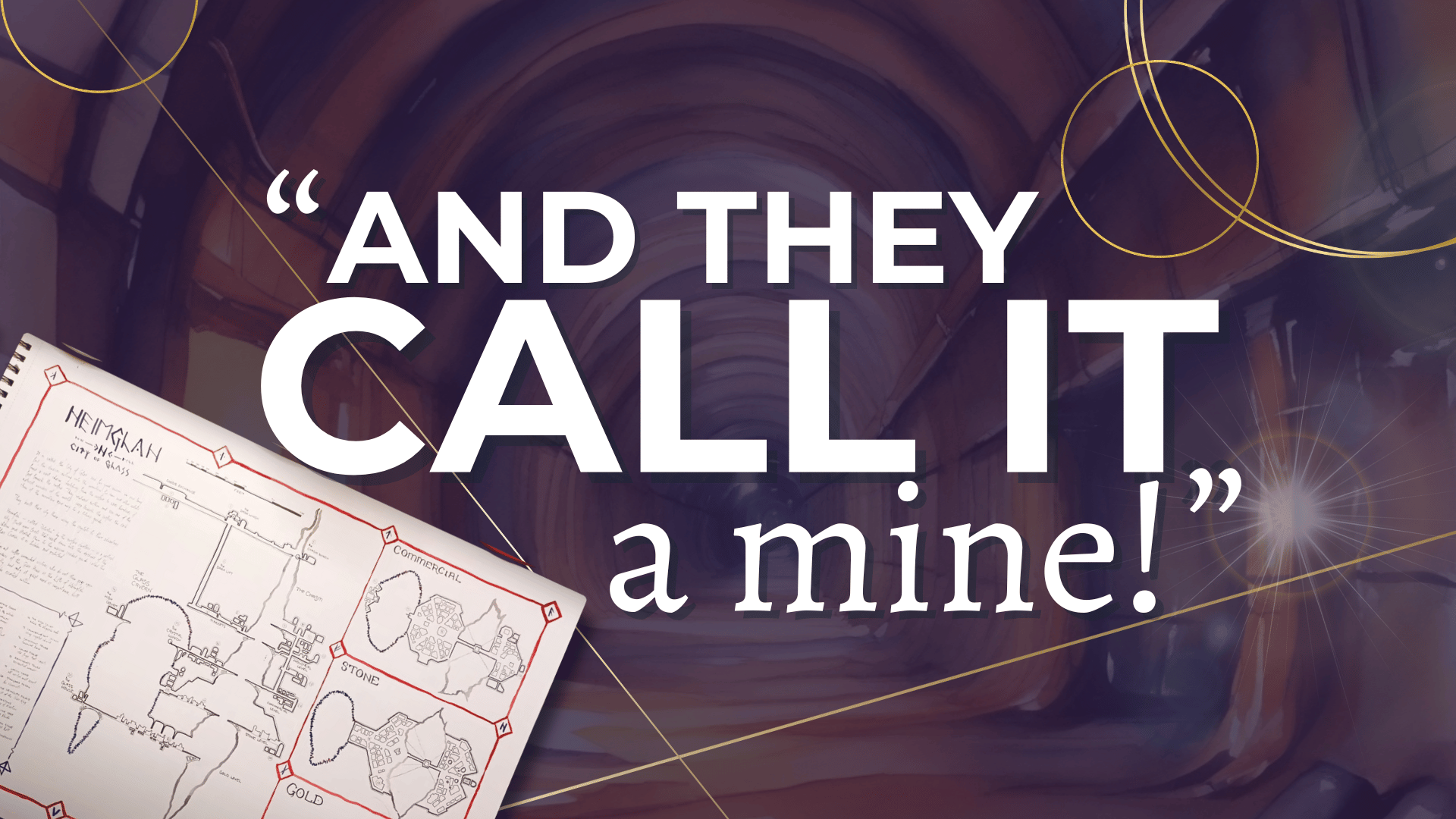
Welcome back to "The Red Quills!" In today’s episode, we’ll venture underground into the heart of a massive geode to explore the city of Glaston—a dwarven stronghold where architecture meets artistry, and the walls themselves are worth a king’s ransom.
Glaston is a city that defies the ordinary. Carved into a geode, its structures rise and fall with the natural formations, using every inch of space to create a labyrinthine, vertical cityscape. The glowing crystals within its walls hold immense value, and the dwarves guard them fiercely, creating a city brimming with secrets, intrigue, and opportunity.
Today, we’ll dive into the techniques of building vertical cities—how to design layered environments that feel alive, create lore that reflects the city’s unique architecture, and write quests that take advantage of this multidimensional space. Ready your pickaxes, adventurers; we’re going deep!
You can watch the full tutorial video here on our YouTube channel: Mapping a VERTICAL City
Or you can check out the downloads of current or previous maps both here on the Red Quills Journal or on our Patreon page.
Let's head out!

Designing a Vertical City
Embracing Verticality in Map Design
A city like Glaston isn’t built on a flat plane. Instead, it rises and falls with the natural shape of the geode, creating a vertical labyrinth. When designing such a city, think in three dimensions.
Consider how each level interacts with those above and below. Are there connecting bridges, ladders, or elevators? Do certain levels serve specific purposes, such as trade, defense, or religious practices? By defining these interactions, you add layers of complexity that make your city feel more real and lived-in.
The Role of Natural Formations
The crystals of Glaston are both an asset and a challenge. Use the natural formations of the geode to inform your city’s layout. Perhaps the richest clusters of glowing crystals are deep in the heart of the city, guarded by the toughest dwarven warriors. Meanwhile, public areas might be carved into the outer edges, where light filters in, and the crystals are less dense.
Emphasize these natural elements in your map. Use shading and color to highlight areas rich in resources or danger, drawing the eye and sparking the imagination of your players.
Creating Distinct Zones with Purpose
Like any city, Glaston has districts or zones, each with a distinct purpose. Design these zones vertically rather than horizontally—an upper level for the ruling council, middle layers for trade and daily life, and deeper caverns for mining and forging.
This layering not only provides a sense of hierarchy but also creates natural adventure hooks—perhaps the deeper layers have been overtaken by hostile creatures, or the upper echelons are embroiled in political intrigue. Use this vertical zoning to shape the narrative of your map.

Crafting a City with Rich Lore
The Crystal Economy: Wealth and Woe
The glowing crystals of Glaston are its lifeblood. They are used for light, trade, and even enchantment, making them a symbol of both wealth and power. Consider how this impacts the city’s lore. Are there rival factions vying for control of the most productive mines? What happens to those who try to steal or smuggle crystals?
Reflect these tensions in your city’s layout. Include restricted zones, heavily guarded vaults, and secret tunnels known only to a few. Use visual cues on the map to hint at these stories—like symbols for restricted areas or hidden paths leading to undiscovered caves.
The Guardians of the Geode
The dwarves of Glaston are fiercely protective of their home. They believe the geode is a gift from the earth itself, and its defense is both a sacred duty and a practical necessity. How do they defend it? Are there ancient wards, hidden traps, or magical constructs designed to protect their home from outsiders?
Create layers of defense within your map—barriers, hidden doors, or watchtowers carved into crystal outcroppings. These defensive elements can serve both as visual details and potential challenges for players to navigate.
Integrating Myths and Legends
Glaston is more than just a city; it’s a place with a soul. Its crystals have witnessed centuries of history, from the founding of the city to the great battles fought over its resources. Use myths and legends to enrich your world-building. Maybe there’s a legend about a lost section of the geode that houses a forbidden treasure or a prophecy that foretells its collapse.
Incorporate these stories into your map through symbols, ancient ruins, or mysterious markers that hint at deeper mysteries. This adds layers of intrigue and encourages exploration.
Enjoying the deep dive into dwarven city-building? Join us on YouTube or Patreon for exclusive content, including downloadable maps, special behind-the-scenes peeks, and much more. Your support helps us keep creating these detailed guides for you, so thank you!

Using the Vertical Design in Gameplay
Crafting Quests that Utilize Vertical Space
The vertical nature of Glaston lends itself to unique quests. Design challenges that take players up and down through the city. They might have to scale a tower to meet a reclusive scholar or descend into a forbidden mine to retrieve a rare crystal.
Consider vertical chases, where players must use hidden ladders or elevators to outmaneuver enemies, or rescue missions where they must find a safe way down a collapsing cavern. Use the vertical space to add tension, excitement, and unpredictability to your encounters.
Navigating Complex Terrain
A city carved into a geode is full of obstacles—crystal shards that block paths, narrow ledges, and chasms that must be crossed. Make navigating Glaston a challenge in itself. Players may need special equipment or spells to traverse certain areas, adding a layer of strategy to their movement.
Design paths that require creative thinking—like narrow bridges over deep pits, spiraling staircases around crystal pillars, or teleportation circles that jump between levels. This keeps exploration dynamic and engaging.
Balancing Defense and Accessibility
Glaston is a fortress, but it’s also a home. Think about how to balance its defenses with the need for accessibility. Design secret passages for those who know the city well, or create bottlenecks that serve as choke points in times of invasion.
These elements can also serve as plot points. Maybe the players need to find a hidden route to bypass a heavily guarded area or solve a puzzle to unlock a long-sealed gate. Use the city’s design to create both obstacles and opportunities for your players.

Case Study: Glaston in Action
The Upper Reaches: Seat of Power
The topmost layers of Glaston house the ruling council and the city's elite. Here, the architecture is grand, with vast halls adorned with the largest crystals, and statues carved from the geode’s walls.
Use this section to reflect the power dynamics of the city. Add in elements like a grand council chamber, the homes of powerful guild leaders, and hidden observation points. The design should convey both grandeur and strategic oversight.
The Middle Depths: The Heart of the City
Below, in the middle levels, lies the bustling heart of Glaston. Here, merchants haggle, crafters forge, and families live their daily lives. This is where the true soul of the city resides—a mix of dwarven tradition and practical necessity.
Design this level with a combination of market squares, residential zones, and workshops. Make it feel alive with details—vendors shouting, children playing, and the constant hum of industry. This is where players can find resources, allies, and the occasional adversary.
The Deep Caverns: Danger and Opportunity
At the lowest levels are the deep caverns, where mining and exploration continue. It’s a place of danger—monsters lurk, and natural hazards are a constant threat. But it’s also a place of opportunity, with rare crystals and ancient secrets waiting to be discovered.
Use this area to create tension and excitement. Design caverns that are hard to access, filled with environmental hazards, and have multiple routes to explore. Make it a place where players must be prepared for anything.

That’s it for today’s journey through Glaston, the dwarven city carved into a massive geode! We’ve explored how to use vertical space to create a dynamic city, filled with lore, intrigue, and adventure. Remember, a vertical city offers countless opportunities for unique storytelling—so don’t be afraid to think in three dimensions!
Next time, we’ll change pace and take a look at urban fantasy and modern city planning. Until then, keep exploring, keep creating, and keep imagining!