
Making a City SETTING for your Campaign
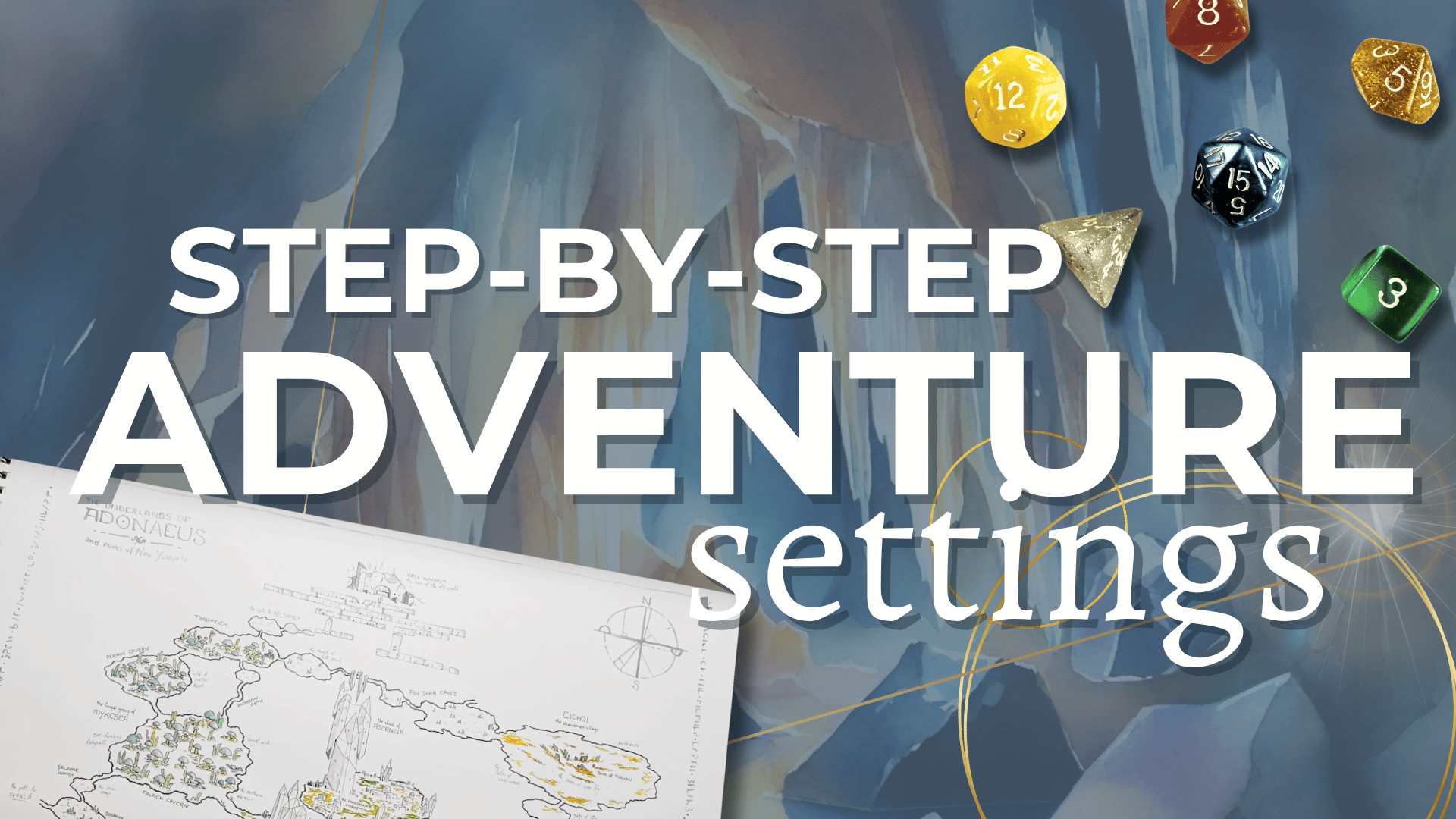
Welcome back to "The Red Quills!" Today, we’re journeying to a world that’s part magic, part sci-fi—a post-apocalyptic setting where the remnants of civilization cling to life within the glowing Crystal Caverns. We'll be making a city setting for your campaigns.
In this episode, we’ll explore how to create a city map that serves as the centerpiece of your campaign setting. We'll look at designing the Crystal Caverns, a city where crystals absorb toxic pollutants, providing a sanctuary in a dying world. We’ll delve into crafting surrounding regions that provide rich opportunities for quests, creating unique threats, and weaving in landmarks filled with deep lore.
If you like to watch the full video tutorials, you can check out this week's video here: Making a City SETTING for your D&D Campaign
Otherwise, you can find more downloadables at the Red Quills Patreon, or browse through the other tutorials and maps here at the Red Quills Journal.
We’ll also explore how to merge fantasy with sci-fi elements, crafting a location that feels like a natural extension of both genres. Let’s dive into the caverns!

Crafting a Central City for Campaign Play
Designing the City Core
At the heart of our campaign is the city of the Crystal Caverns, a haven of safety amidst a world of poison. The city is built within enormous, naturally occurring crystal formations that cleanse the air.
To design a central city, think about its defining features. In the Crystal Caverns, each district is built around clusters of crystals, with the largest formations housing the most critical structures—like the Citadel of Light, where leaders gather, or the Crystal Market, where traders exchange rare goods from the wastelands. Consider what makes your city unique and how its layout supports its story.
Balancing Survival and Hope
A post-apocalyptic city thrives on tension between despair and hope. The Crystal Caverns is a sanctuary, but resources are scarce, and the city is under constant threat from outside dangers and internal conflicts. Create areas in your map that reflect this tension—like the Outer Fields, where food is scarce, or the Barricades, where defenders keep watch over the poisoned wasteland.
Think about how to balance elements that symbolize survival with those that hint at hope or resilience. The crystal formations themselves are a beacon, a reminder that life can endure even in the harshest conditions.
Merging Magic and Technology
This setting brings together elements of magic and sci-fi. The crystals are not just beautiful; they have unique properties. They glow when pollutants are absorbed, and some even resonate with magical energy, providing power to the city.
Blend these elements to create a world that feels cohesive. How do the inhabitants harness this magic-sci-fi fusion in their daily lives? What kind of unique buildings or technologies exist only here? Think about the Crystal Generators, devices that capture both energy and clean air, or the Harmonium Towers, which use sound waves to communicate across the wastelands.

Creating Surrounding Regions and Quest Opportunities
Expanding Beyond the City
While the Crystal Caverns serves as the hub, the surrounding regions are equally important. The map includes several notable areas: the Poisoned Marshes, where toxic fumes seep from the ground; the Ruins of Neo Yumaria, the remnants of an advanced city now overrun by mutated creatures; and the Sunken Vaults, submerged chambers that hold forgotten relics of the old world.
Each of these locations can serve as a springboard for adventure. Think about what secrets they hold, what dangers lurk there, and how they connect back to the central city. How do they support the story you want to tell?
Defining Unique Threats and Foes
A post-apocalyptic world is rife with dangers. What unique threats can you introduce that tie directly into your setting’s themes? In the Crystal Caverns, enemies might range from mutant raiders to rogue automatons—machines built in the old world that have gone haywire.
Consider introducing threats that are not just combat-focused. Environmental hazards like acid rain or unstable crystal growths can add tension and drama to exploration. Create a sense of constant danger, but also leave room for the unexpected—alliances with strange beings, or ancient machines with mysterious purposes.
Using Landmarks to Tell a Story
Landmarks should serve more than just aesthetic purposes—they’re the building blocks of your campaign’s narrative. In this map, the Great Spire serves as a waypoint visible from almost anywhere, guiding travelers back to the safety of the Crystal Caverns. Meanwhile, the Whispering Caves are said to hold echoes of the past, where voices of those lost in the apocalypse can still be heard.
Incorporate landmarks that reveal pieces of your world’s history or provide clues for ongoing quests. Use them to flesh out the story and create a sense of wonder and curiosity for your players.

Building an Immersive Campaign Environment
Establishing Atmosphere through Visual Design
The look and feel of your map should reflect the mood of your campaign. The Crystal Caverns are full of contrast—dark, polluted air outside the sanctuary, and bright, glowing crystals within. Use gradients and shading to create a sense of depth and to distinguish between safe and dangerous zones.
Consider how to use negative space effectively. Areas with fewer details can evoke emptiness or desolation, while densely packed regions suggest activity or tension. Use the layout to guide players’ eyes toward key areas, like quest locations or hidden paths.
Mapping Out Key Quest Locations
A well-designed map hints at the stories waiting to be discovered. Highlight areas where key quests will take place. Perhaps the players need to venture into the Ruins of Neo Yumaria to find an ancient device that could stabilize the crystals. Or they might explore the Sunken Vaults to retrieve lost knowledge from before the apocalypse.
Mark these locations clearly, using symbols or unique drawings, and add annotations or details that tease the quests to come. This not only enriches the map but also makes it a tool for planning adventures.
Layering Dynamic Elements into the Map
An effective map feels alive and ever-changing. In the Crystal Caverns, the city’s layout might shift as the crystals grow or shrink in response to pollution levels. Roads might be blocked, or new tunnels might be unearthed. Think about how your map can change over time—what events might cause shifts in the environment?
This creates opportunities for evolving storylines, where new dangers or opportunities arise. A dynamic map keeps players on their toes and makes the world feel like it’s reacting to their actions.
If you’re enjoying the content and want to support the creation of more maps like this, consider joining The Red Quills community on YouTube or Patreon! You'll get access to exclusive downloadable content, bonus videos, and be part of a growing community of creators and storytellers. Your support helps keep these worlds alive!

Case Study: The Crystal Caverns and Neo Yumaria
Building Neo Yumaria’s Ruins
Let’s take a closer look at the Ruins of Neo Yumaria. Once a thriving metropolis, now overrun by mutants and reclaimed by nature. Here, skyscrapers crumble into the marshlands, and strange vegetation grows in the cracks. Design these ruins to feel like they’re on the brink of collapse—both dangerous and alluring to those who seek lost treasures or forbidden knowledge.
Think about how these ruins can serve multiple purposes—a dungeon crawl, a place of refuge, or a source of rare materials. How can you use the environment to challenge players, and what stories can emerge from the ruins themselves?
Tying the Crystal Caverns to its Surroundings
The city of the Crystal Caverns doesn’t exist in isolation. Its survival depends on interactions with the world outside. Smugglers bring in contraband from the Poisoned Marshes; scholars venture into the Whispering Caves to study the echoes.
Draw connections between the city and its surroundings to create a sense of interdependence. The city is a sanctuary, but it is also a place of conflict and negotiation. Use these ties to build tension and intrigue in your campaign.
Bringing Together Magic and Sci-Fi Elements
Finally, let’s talk about blending magic and sci-fi in your design. The Crystal Caverns draws on both genres—the crystals are magical, but they also serve as advanced technology for air purification and energy generation. The ruins of Neo Yumaria blend ancient arcane symbols with holographic displays that flicker in the shadows.
This merging of elements can create unexpected storylines. What if the crystals begin to lose their power? What if a cult forms around the belief that the crystals are sentient? Think of ways to fuse these elements to keep players guessing and to build a cohesive world that feels fresh and exciting.

And there we have it—a post-apocalyptic city with a twist, set in the eco-fantasy of the Crystal Caverns and the mysterious ruins of Neo Yumaria. Remember, a city can be the heart of your campaign, rich with quests, intrigue, and adventure.
In the next episode, we'll move from the underground to the modern, as we explore making dwarven and vertical cities—into metropoli that soar into the skies or delve beneath the earth. Stay tuned for more world-building inspiration on The Red Quills!