
Making your D&D City FANTASTIC
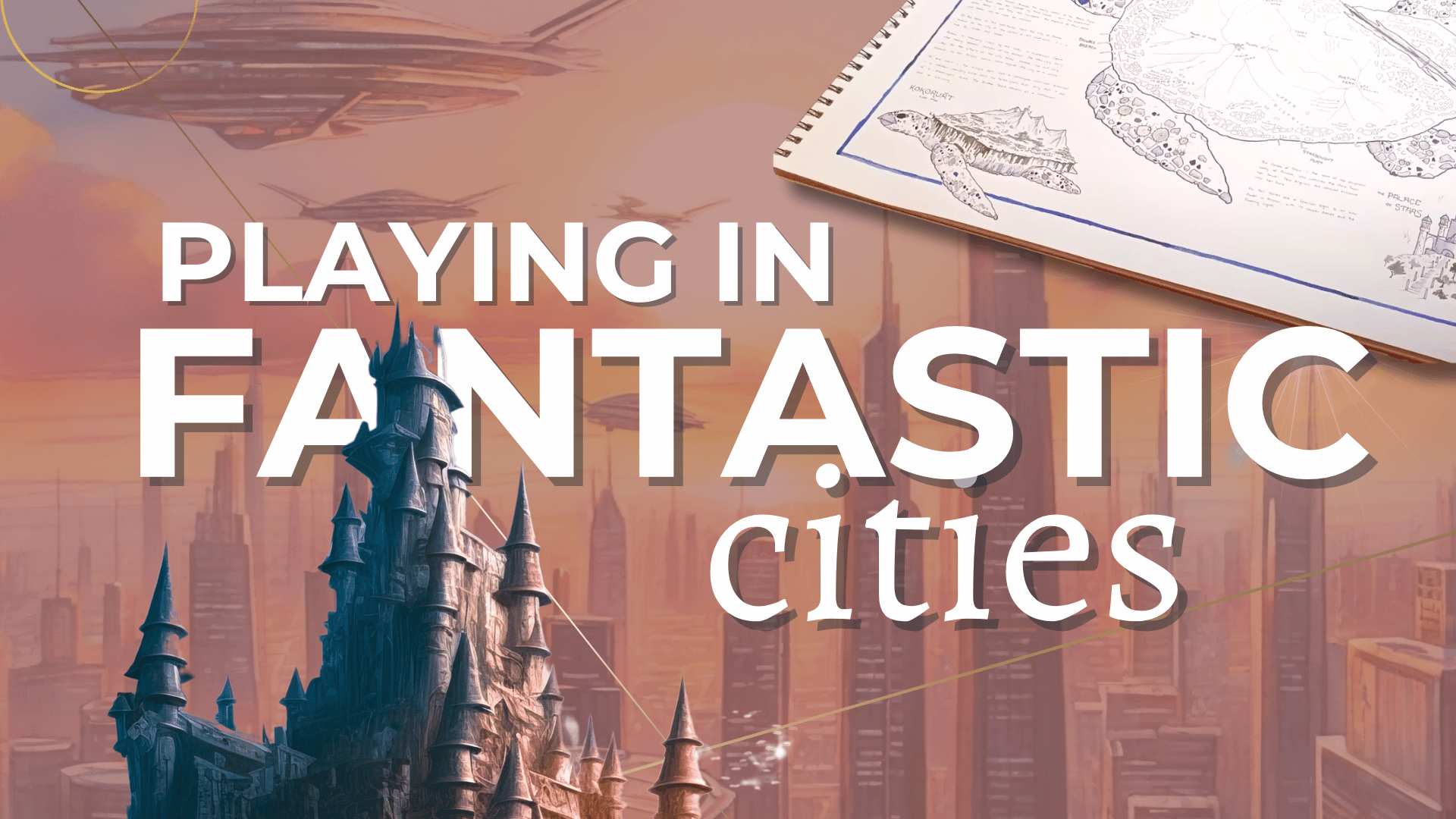
Welcome back to "The Red Quills!" Today, we’re setting sail on a truly fantastical journey to Anchor, a city unlike any other—a city on the back of a star-swimming turtle! In this tutorial, we'll discuss how you can go about making your D&D city fantastic!
Today, I’ll show you how to infuse your city maps with creativity and whimsy, balancing the fantastic with the practical to create settings that are as compelling as they are unique. We’ll explore ways to build city cultures, adapt unusual environments, and push the boundaries of your imagination.
I’ll be working with a color palette of purples, blues, and teals, drawing out the strange and wondrous nature of Anchor. Throughout the episode, I’ll also share some of the lore and history that make this city come alive.
If you prefer to watch this tutorial, rather than read it, you can find the full video on the Red Quills YouTube channel here: Making your D&D City FANTASTIC
I've migrated all of the downloadables for these tutorials to my Patreon site, though they're still all available for free!
And as always, all of the other tutorials on the Red Quills Journal are available for you to have a read through, comment on, and save for later!
Let’s dive in!

Defining the Fantastic
What Makes a City Fantastic?
What sets a fantastical city apart from a typical one? It starts with a concept that defies the ordinary. Anchor isn’t just any city—it’s built on the back of a titanic turtle that swims through the cosmos. The city’s architecture, layout, and culture are shaped by its unique environment.
Think beyond your basic city structure. What elements can you twist or enhance to create something magical? The sky’s the limit—quite literally, in Anchor’s case.
Establishing a City Culture
Anchor’s culture reflects its extraordinary nature. Its inhabitants—known as the Starbound—are seafarers, scholars, and dreamers. They worship celestial beings and live in harmony with the turtle they call their home. Think about how your city’s location and concept influence its people.
Anchor is a place where the fantastical meets the functional. Every building and street is oriented to accommodate the star-turtle’s occasional dives and surfaces. What cultural practices or daily rituals might this create?
Balancing Fantasy with Functionality
A fantastical city should be imaginative but also feel believable. Consider the practical needs of your inhabitants. How do they get water or food? How do they navigate their ever-moving city?
Anchor has aqueducts that draw water from the star-turtle’s shell, while its floating markets and skyward docks allow trade with passing airships. Think about how your fantastical elements can still serve practical purposes—keeping players grounded in the world you’ve created.

Designing with Aesthetics in Mind
Playing with Colours and Textures
To create a truly unique city map, use colours and textures to capture the mood and tone. For Anchor, I’ve chosen a palette of purples, blues, and teals to evoke a sense of wonder and magic.
Use colours not only for aesthetics but also for storytelling. Cool tones give the sense of an otherworldly, starry environment, while the bright lights of the city glow against the dark shell of the turtle. Experiment with gradients, washes, and layering to bring the map to life.
Illustrating Key Structures
Anchor’s key buildings tell the story of its history and culture. In the corners of the map, I’ve illustrated significant structures like the Celestial Observatory, where astronomers and stargazers chart the heavens. Or the Shell Sanctum, a grand temple dedicated to the turtle, where the city’s priests listen to its heartbeat to divine its movements.
These buildings aren’t just pretty illustrations; they serve as focal points that draw the eye and help orient the viewer. Consider adding your own unique landmarks—places that offer both visual interest and storytelling opportunities.
Layering the Lore
Maps should be as rich in story as they are in detail. In Anchor, every corner has a tale to tell. The Whispering Gardens, for example, are said to contain flowers that bloom in the light of far-off stars. The Hanging Courts dangle from the turtle's side, where the daring defend themselves in trials by air.
Use annotations, small sketches, or symbols to weave this lore into the map itself. This approach creates an immersive experience for your players, making every element feel purposeful and alive.

Building a World on a Moving Platform
Mapping a Dynamic Environment
Designing a city that moves presents unique challenges. Anchor is constantly shifting as the turtle swims through space, and the city’s layout must account for these movements. Think about how this mobility affects navigation, trade, and communication within the city.
Anchor’s streets are flexible, with modular platforms that shift and reconfigure based on the turtle’s trajectory. Draw inspiration from cities on rivers or coasts that adapt to their environment. A moving city needs to be fluid, both in its design and its storytelling.
Integrating the Turtle's Physiology
Anchor isn’t just built on the turtle; it’s integrated with it. Its people draw fresh water from natural reservoirs in the turtle’s shell, and its foundations are designed to flex with the creature’s movements. Think about how your city might draw on the physiology of its fantastical host.
What challenges do they face if the turtle dives too deep or surfaces too quickly? What if the turtle becomes ill or decides to journey to unknown regions of space? This adds a dynamic layer to your storytelling that keeps players engaged.
Creating Opportunities for Adventure
The city’s unusual location opens up countless opportunities for adventure. Perhaps a guild of star-mappers has noticed a strange constellation that signals danger. Or a cult within the Shell Sanctum seeks to control the turtle’s mind. Anchor can serve as a hub for quests that take players across the cosmos or deep into the turtle’s own mysteries.
Think about how to turn the city’s unique features into opportunities for player engagement. What secrets lie within the turtle’s shell? What dangers lurk in the skies above?
If you’re loving the creativity and want to support the channel, consider joining The Red Quills community on YouTube or Patreon! You'll get exclusive content, downloadable maps, and behind-the-scenes looks at how I create these fantastical worlds. Every bit of support helps me keep this journey going, and I’d love to have you join us!

Case Study: Anchor
Exploring Anchor’s Unique Features
Let’s delve deeper into what makes Anchor special. The Celestial Observatory isn’t just a place to study the stars; it’s also where the city’s leaders meet to discuss strategy. The skyward docks don’t just bring in goods; they also serve as a launching point for explorers and adventurers looking to venture into the unknown.
Think about how you can make your city’s features serve multiple purposes. What are the hidden stories behind each landmark? How do they reflect the city's personality?
Adapting to Anchor’s Challenges
Anchor is constantly in motion, requiring its inhabitants to be adaptive and resilient. The city’s bridges can retract and extend to accommodate changes in the turtle’s speed, and its markets are on wheels to allow for quick relocation during a dive. Consider how to build adaptability into your city design.
How do the people of Anchor handle the unpredictability of their environment? How do they build their homes, their places of work, or their places of worship? This creates a living, breathing city that responds to its unique circumstances.
Bringing the Map to Life
Finally, let’s add the finishing touches. Use your illustrations to tell stories—like the city’s founders on the corner of the map, gazing upward at the stars, or the turtle’s guardians patrolling the outermost edges.
Highlight areas of mystery, danger, or opportunity. Where might a player find a secret passage or a hidden guild? Where might an enemy lurk? Make your city map not just a tool, but an invitation to explore.

And there you have it! From the back of a star-swimming turtle, Anchor emerges as a city filled with wonder, danger, and endless adventure. Remember, a fantastical city should challenge your creativity and expand your players’ imaginations.
In our next episode, we’ll explore “A City Setting for your Campaign,” where we’ll design the Crystal Caverns—a post-apocalyptic eco-fantasy city. We’ll discuss how to craft a city as the centerpiece of your campaign, with plenty of quests, threats, and rich backstories.
Until then, keep dreaming big and drawing even bigger. See you next time on "The Red Quills!"