
The Guide to the Underdark
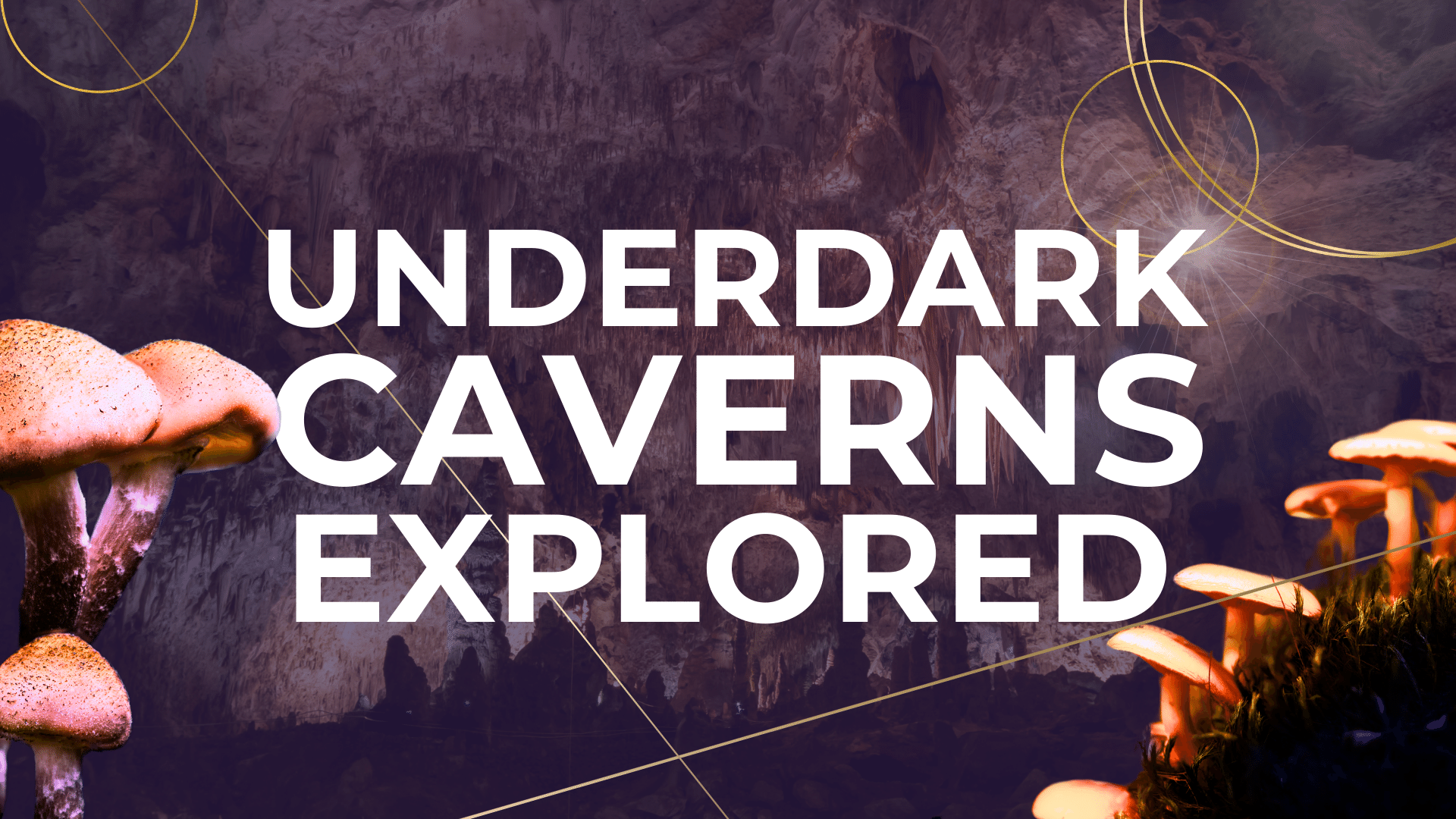
You are descending into an abyss of uncharted darkness, where the only light comes from the faint glow of bioluminescent fungi clinging to jagged rock walls. The air is thick with the scent of damp earth and the occasional whiff of something far more sinister. The ground beneath your feet is uneven, with hidden pits and treacherous drops waiting to ensnare the unwary. Welcome to the Underdark, a realm where danger and wonder lurk in every shadowed corner.
Hello, adventurers and creators, and welcome back! Today, we’re embarking on an expedition into one of the most enigmatic and perilous realms in fantasy worldbuilding—the Underdark. This isn’t just a series of caves; it’s an entire world beneath our feet, teeming with life, mystery, and magic. We’ve explored dungeons, ruins, and many a mystical site before, but the Underdark—this sprawling subterranean wilderness—is a universe unto itself.
You can watch the full video tutorial here: Explore the Underdark
And you can download the full A2 map here: The Underdark | Downloadable Map

In this guide, part of our ongoing Lore Archive series, we’ll unveil the secrets of crafting your own Underdark. We’ll start by laying out the foundation of your map, sketching the vast networks of tunnels, caverns, and underground rivers. Then, we’ll delve into the geological marvels and ecological intricacies that define this world beneath the world.
Meet the denizens of the dark: the cunning drow, the resilient deep gnomes, and the myriad creatures that haunt the shadows. Discover the strange and wondrous flora and fauna that make the Underdark their home. Finally, we’ll delve into the myths, legends, and arcane magics that infuse this subterranean labyrinth with endless storytelling potential.
As always, we begin with a blank canvas, transforming it into a vivid, living world. Join me, Ryan of the Red Quills, as we explore the depths and bring the Underdark to life. By the end of this tutorial, you’ll have the knowledge and inspiration to create a mesmerising Underdark that will captivate your players and readers alike.
So, sharpen your quills and let’s dive deep into the shadows. Your journey into the Underdark begins now.
________________________________________________________________________

The Underdark is an extremely famous part of Dungeons and Dragons lore - the enormous subterranean labyrinth has spawned any number of adventures, stories, and more. Most recently, it was featured heavily in the game Baldur’s Gate III. But there’s so much to digest about its lore, and being a writer and a game master in your own right means knowing when to take an idea and when to use some of your own.
So, here is my guide to the Underdark.
I explored the dark caves of the Drow with my players for quite a long time, and over those dozens of sessions, I used a great deal of existing lore and came up with my own. The important thing to remember is that there’s really no right or wrong answer. It’s your story. The key is to make it mesh with what you’re bringing into your world from canon.
Let’s use this map, which is an overview of the area I explored in my campaigns. It’s underneath the Kingdom of Endon, and only about sixty miles across. But that’s more than enough space for civilisations to grow and flourish.

Creating Your Underdark Map
Let’s talk about making your own map first, and where to start. Then we can go into exploring the people, the animals, and the history of your Underdark. I’ll take watercolour to paper here - an A2 240 gsm - and because of the subject matter, I’ll be working mainly in greyscale with some muted tones.
Overview
Begin by sketching the general layout of your Underdark. Focus on the major caverns, tunnels, and bodies of water. It's helpful to start with a rough outline of the main regions you want to include. Think about how the surface world influences the layout of the Underdark—mountain ranges might correspond to cavernous regions, while underground rivers could connect with surface lakes.
Use different shades and textures to distinguish between rock types, elevations, and other geological features. For example, darker shades can indicate deeper areas, while lighter shades can represent higher elevations. Incorporate symbols for stalactites, stalagmites, and other formations. Consider using hatching or cross-hatching to denote rocky surfaces and smooth shading for water bodies.
Adding Details:
Populate your map with cities, settlements, and notable landmarks. Indicate the presence of fungi forests, creature lairs, and other points of interest. Dark elf cities might be built into cavern walls or suspended from ceilings, creating a vertical element to your map. Mark these locations with distinct symbols or icons.
Use symbols and colour coding to make these elements easily identifiable. For instance, dark elf cities can be marked with spider-like icons, while fungi forests might be depicted with mushroom symbols. Colour coding helps differentiate between various regions and makes the map more visually appealing.
Tips and Tricks:
Share some tips for making your map more dynamic and engaging. Use layering techniques to show depth, adding notes or annotations for important areas. Consider creating elevation lines to indicate the height of different sections. Ensure your map is clear and readable by using a consistent legend and avoiding clutter.

Understanding the Underdark
The Underdark is a vast, interconnected labyrinth of caverns, tunnels, and underground rivers that stretches beneath the surface world. It is a place of perpetual darkness, lit only by bioluminescent fungi and the occasional glow of lava flows. This underground world is often characterised by its eerie, haunting beauty and treacherous terrain.
The Underdark serves as a source of mystery and danger in many fantasy settings. It provides a stark contrast to the surface world, with unique flora, fauna, and civilizations. It's a perfect setting for adventures that involve exploration, survival, and encounters with unfamiliar and often hostile inhabitants.
That’s the official story. In my version of the Underdark, the shadows were any but colourless. The glowing crystals that the Drow used in their lanterns - Lolth’s candle - gave off a soft purple light. The dried flesh of the large mushrooms, as tall as trees in their forest-like clusters, burns with a green tinge. In the Abyssad, to the south east, the pink, red, and magenta crystals on the walls of the titanic geode reflect the light from the surface in a thousand blinding fragments. There, the deep dwellers have to bind their eyes beneath blindfolds to keep out the light as they travel through.
It’s your story. If you want something richer, more colourful, louder than what’s on offer, you can experiment.
Geological Features:
The Underdark features a variety of terrains, such as stalactite and stalagmite formations, underground lakes, crystal caves, and magma chambers. These geological features can add variety and depth to your map. For instance, a crystal cave might be a place of magical significance, while a magma chamber could be home to fire-based creatures.
Travel and exploration in the Underdark are heavily influenced by its terrain. Narrow tunnels can limit movement and force adventurers into single-file lines, making them vulnerable to ambushes. Large caverns might house entire civilizations or dangerous predators. Understanding the layout and features of the Underdark is crucial for survival.

Inhabitants of the Darkness
Lore holds that the darkness beneath the world suffers no kindness. It’s an evil place, where only the powerful and merciless survive. This is fine, if you like that kind of thing. I personally make the idea of being evil a personal choice, and not the defining characteristic of a race. The Drow in my world have a brutal and violent social order, but that means only that the evil rise to the top, and the good live quiet, selfless lives.
As a flavour, I looked to the real world for examples of peoples that live in inhospitable places for what the character of the Underdark inhabitants would be. The Duergar are Australian, the Svirfneblin are New Zealanders. They use humour as a coping mechanism, and tend not to complain.
Dark Elves (Drow):
The dark elves, or drow, are one of the most prominent races in the Underdark. They are known for their striking appearance, with dark skin, white hair, and red or purple eyes. Drow society is often depicted as matriarchal, with powerful priestesses ruling over the community.
Drow society is highly hierarchical and competitive. Matriarchal houses vie for power, often through assassination and intrigue. Religion plays a significant role, with the worship of deities like Lolth, the Spider Queen, being central to their culture. This society's complexities can provide rich narrative opportunities for your worldbuilding.
Deep Dwarves (Duergar):
The deep dwarves, dark dwarves, or duergar are the drow’s enemies. They are very similar to their surface-dwelling cousins, but in Dungeons and Dragons lore have been altered by their enslavement to the Illithids. They have inherent magical abilities, a cruel streak, and a penchant for forging and crafting.
Duergar often serve as formidable adversaries in fantasy campaigns, known for their strategic prowess and formidable combat abilities. However, they can also make compelling player characters, offering unique roleplaying opportunities as individuals who must grapple with their dark heritage while striving for redemption or greatness.
Creatures:
The Underdark is home to a variety of creatures, from giant spiders and mind flayers to the mysterious myconids, intelligent mushroom people. Other notable inhabitants include beholders, aboleths, and deep gnomes. Each of these creatures has unique abilities and characteristics that make them well-suited to the dark, subterranean environment.
These creatures can create encounters and challenges for adventurers. For example, mind flayers might capture and enslave surface dwellers, leading to rescue missions. Myconids, with their communal lifestyle, can offer unique alliances or conflicts. Giant spiders can create hazardous areas with their webs, requiring players to find creative solutions.

Flora and Fauna of the Deeps
Immersing your players and readers is about more than just the people, the quests, the history of the place. It’s about how it feels when nothing urgent is happening. When you stop for a rest in the darkness beneath the world, what does it feel like? Can you hear a constant drip-drip-drip from somewhere high above? Can you feel the air moving sluggishly through the caverns, or is there no wind at all?
Forests of mushrooms, marshes of strange blue and red grasses that don’t need the sun to survive at all. The glow of a thousand creatures, huddling around the warm places in the shadows. To the eyes of the surface dwellers, there may be nothing to see at all. But give it time. Who knows what pinprick glows you will be able to find in that eternal night.
Fungi:
The Underdark is rich in fungi of all shapes and sizes. Common types include glowshrooms that provide light, spore-spewing mushrooms that can be hazardous, and edible varieties that sustain the inhabitants. Some fungi, like the bioluminescent variants, add an eerie glow to the dark caverns.
Fungi play a crucial role in the Underdark's ecosystem. They decompose organic matter, provide food sources, and even create light in the perpetual darkness. Adventurers might use glowshrooms for illumination or encounter dangerous spore fields that require careful navigation.
Other Flora:
Other plant life such as bioluminescent mosses and lichens thrive in the dark. These plants can add to the atmosphere of the Underdark, creating a surreal and otherworldly environment. They often cling to rocks and walls, providing sustenance to the creatures that inhabit these depths.
These plants can be used to create unique environmental hazards or resources. For example, bioluminescent moss might be harvested for its glow, while toxic lichens could serve as natural traps. Incorporating these elements into your narrative can enhance the immersive experience of your world.
Fauna:
The Underdark is home to various animals and insects that have adapted to life in the dark. These include blind cave fish, giant bats, and subterranean predators like hook horrors. These creatures often rely on senses other than sight, such as echolocation or heightened smell, to navigate and hunt.
These animals contribute to the complex food web of the Underdark. Predators like hook horrors keep other populations in check, while scavengers help decompose organic material. Including these creatures in your world can create a dynamic and believable ecosystem.

Myths and Magics beneath the World
But this isn’t just about the immersion. It’s about the place itself: its history, its meaning, its purpose. When you create a map, the backdrop is just that - backdrop. You mark out the important places and leave the white space up to the imagination. So let’s move away from the quiet riverbeds of the derro and the mushroom villages of the svirfneblin and look at the points of interest on your map.
My map has made an extensive point of keeping the various races separate. They don’t like one another, they are fiercely territorial, and they know what else dwells in the deep places of the world. The duergar are to the west, the drow to the east, the illithids are plotting away secretly, the svirneblin and the derro have their own pockets, and there are other places. Marshlands of kua-toa, a wild inhabited by the refugee yuan-ti driven from their empires on the surface, and scores of people who have been dropped from the world above and been forgotten.
Legendary Locations:
Detail some mythical locations within the Underdark, such as ancient temples, cursed ruins, and powerful ley lines of magic. These can serve as important plot points in your worldbuilding. For example, an ancient temple might be guarded by powerful spells and creatures, offering a formidable challenge to adventurers.
These locations add depth and intrigue to your world. They can serve as the focal point for quests, the source of ancient prophecies, or the hiding place of powerful artifacts. By incorporating these elements, you can create compelling narratives that draw players into the history and mystery of your world.
For instance, I have given several legendary locations on this map: the ruins of Agdu-Nott, the mythical Tower of Night built by the Elder Giants in the dawn of the world to store their weapon against their foes, the dragons. The Giant’s Repose is the skeleton of one such Elder Giant, Harasib, who faded away long ago. And there are others, specific ways to return to the surface that are too dangerous for ordinary folk: the Abyssad, the crack which runs down to the Lower Dark and the surface. And the Ungol’s Climb, where dwells the Mother of Spiders.
Magical Elements:
While you’re here, you can explore the types of magic that might be unique to the Underdark, such as shadow magic, earth magic, and fungi-based alchemy. Shadow magic might involve manipulating darkness and shadows, while earth magic could involve controlling the very rocks and minerals of the Underdark. Fungi-based alchemy might include creating potions or poisons from the various fungi found in the depths.
These magical elements can be woven into the lore through ancient tomes, forgotten rituals, and unique magical items. For example, a powerful drow sorceress might wield shadow magic to control her enemies, while a myconid elder might use fungi-based alchemy to heal or harm. These elements can add layers of depth to your worldbuilding, making the Underdark a place of both wonder and danger.
Stories and Legends:
Share some common myths and legends that the inhabitants of the surface world might tell about the Underdark. These stories can add depth and mystery to your worldbuilding. For example, legends of a lost city of gold hidden deep within the Underdark can inspire adventurers to embark on perilous quests.
These stories enhance worldbuilding by adding a sense of history and culture to your setting. They can provide motivations for characters, create a sense of wonder and danger, and connect the surface world with the depths below. By integrating these legends, you create a richer, more immersive world.
_______________________________________________________________________

This episode is the second in our latest series, which is focusing on creating environs to explore. It pairs with the Lore Archive series, in which we follow another mapmaker, Raylanne, as she investigates the mysterious magic circles that keep cropping up across the world - and accidentally falls into one. In this episode, she has fallen to the Underdark, and records the civilisations and wonders that she encounters there. If you want to hear more about my version of the Underdark, you can listen to it there in the next episode of the Lore Archive.
And that brings us to the end of our journey through the Underdark. We’ve looked at the dark cities, the coloured lights in the shadows, the fungal groves and soft feets of its flora and fauna. I hope that you’re ready to explore your own version now, or if you want to use this map, you can download it through the link in the description below.
I’ve poured extensive effort into ensuring that each element of this dungeon enriches the narrative and enhances the immersion, and I’m eager to see how you all use these ideas in your own worlds.
If you enjoyed this deep dive and found it useful, don’t forget to leave your thoughts in the comments below. I'm here to discuss, answer your queries, or even take suggestions for future creations. Also, for those who love seeing the process in action, check out the Shorts on my channel for high-speed timelapses of today’s mapping session.
Next week, we’ll be starting our next series, which is about mapping and exploring different biomes within your fantasy worlds, using a series of maps as the starting point. Keep your eyes open, hit that subscribe button, and tune in next week.
A huge thanks to everyone supporting the Red Quills. If you're keen to see more and help out, consider a commission or a small donation for new gear—I'm eyeing a new tablet to bring even more details to our next maps. Every bit of support helps us keep adventuring together.
Safe travels in your creative journeys, and I'll see you on the next map!