
The Guide to Sunken Ruins
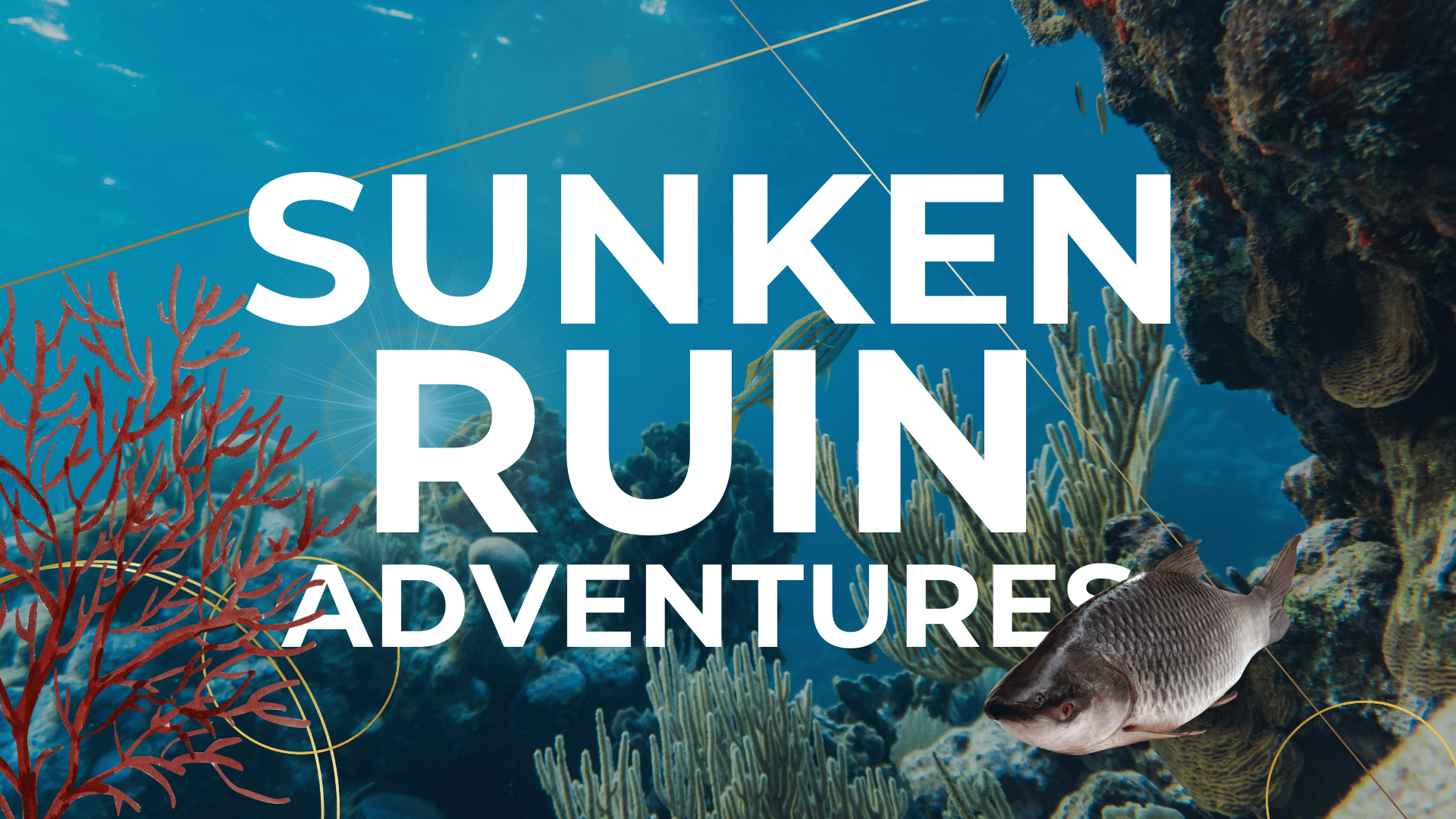
Imagine a vast underwater city, once the pinnacle of an ancient civilization's glory, now lying in eerie silence beneath the waves. Schools of fish dart through crumbling archways, and the occasional glimmer of light catches on ancient, forgotten treasures. Welcome to the world of the Ancient Sunken Ruins, a place where history, mystery, and adventure collide.
Hello, I'm Ryan of the Red Quills, and in today's episode of "The Red Quills Guide to Fantasy Lands," we'll dive deep into the enchanting and often perilous world of underwater ruins. Whether you're a tabletop role-playing gamer, an author crafting your next epic, a game master designing an unforgettable adventure, or simply a fantasy enthusiast, this guide is for you.
If you want to watch the video tutorial, you can check it out here: The Guide to Sunken Reefs
________________________________________________________________________

In our world, this could be the city of Atlantis. Within other worlds, perhaps the fabled lands of the Numenorians. In my own games, the ruins are the relics of Pelivere, the first empire. Their ancient steel-and-glass towers long abandoned, their knowledge lost, and their capital feared and avoided.
Picture a city where grand spires once reached for the sky, now shrouded in a cloak of water. Sunlight filters through the surface, casting an otherworldly glow on ancient mosaics and statues. The water is alive with vibrant corals and curious sea creatures, bringing a haunting beauty to the ruins.
Let’s begin, as we always do, with a blank page.
I’m using an A2 sheet of 180gsm watercolour paper, and I’ll be using watercolours and ink to illustrate the map. In the recent videos, I’ve used an isometric style, a monochrome symbolic style, and the delightful Wainwright style from northern England. Today, I’ll be looking at a topographic style.

Advanced and Ancient Civilisations
Ancient sunken ruins have long captured our imaginations, both in fantasy and in our own world's history. Think of the Numenorian ruins in J.R.R. Tolkien's "The Lord of the Rings," or the legendary Atlantis. These civilizations, whether in literature or lore, represent the height of human achievement and the tragic beauty of their downfall.
In your own stories or games, ancient civilizations can serve as a rich backdrop. They offer a chance to explore themes of lost knowledge, the hubris of advanced societies, and the cyclical nature of history. Imagine a once-great city now submerged, its towers and temples inhabited by sea creatures, its treasures hidden under layers of coral and sand. What secrets might lie in wait? What stories could these ruins tell?
The Hubris of the Ancients
The stories of these advanced civilizations often revolve around their hubris—how their pursuit of power, knowledge, or perfection led to their eventual downfall. This can serve as a powerful narrative tool, offering lessons about the dangers of overreaching and the fragility of greatness. Consider the Numenorians, whose desire for immortality led to their undoing, or Atlantis, said to be punished by the gods for its arrogance.
Real-world lost civilizations like Atlantis, the sunken city of Heracleion, and the Minoan civilization provide a wealth of inspiration within reality. Each of these societies was advanced in their own right, with unique cultures, technologies, and downfalls.
Flesh out what you want to explore by asking yourself the following questions:
What did they do too well?
Ancient civilizations in fantasy worlds might have mastered arcane magics or developed technologies far beyond their contemporaries. Imagine a city powered by crystal energy, or one where the very architecture is enchanted to withstand the pressures of the deep sea. These elements can add layers of intrigue and wonder to your setting.
The allure of these ruins lies not just in their mystery, but in what they represent and what they might contain. They are treasure troves of lost knowledge, holding secrets that could change the course of history or unlock new powers. For characters in your story or game, exploring these ruins could mean finding powerful artefacts, gaining ancient wisdom, or uncovering truths about their own world. The exploration of these sites can drive entire story arcs, providing motivation and depth to your characters’ journeys.
What did they do wrong?
Ancient civilizations didn't exist in isolation. They had allies and enemies, trade partners and rivals. Exploring these relationships can add depth to your setting. Maybe the ruins were part of a vast underwater empire, or perhaps they were in constant conflict with a neighbouring realm.
Because then you can come to the lesson of it. All civilisations do something wrong - or, at least, could have done something better. After all, they ended. So the question that arises from the ruins of an advanced culture is: what didn’t they do? Why did they die out?
What were they like?
Delve into the daily lives of these ancient people. What were their beliefs and customs? Did they worship sea deities, or perhaps harness the ocean’s power for their own use? Understanding their culture helps create a more immersive and believable world. How were these people like us, and how were they different?
How to Find These Ruins
Once you have a strong picture of the story of these civilisations, you can look into actually exploring them. Add in small clues into your story at first - references in old books, songs of yore, maybe an artefact recovered in an adventure - and then give them a destination. Locating these ancient ruins can be an adventure in itself. Clues might be found in old maps, ancient texts, or legends passed down through generations. Explorers could follow underwater currents, discover hidden passages, or decode cryptic messages etched in stone. The journey to find these lost cities can be fraught with danger and intrigue, adding layers of excitement to your narrative.

The Aftermath of Disasters
As we delve deeper into the theme of ancient sunken ruins, it's crucial to understand the disasters that led to their downfall. These catastrophic events are not just background details; they are integral to the story and atmosphere of the ruins.
Types of Disasters
Earthquakes, volcanic eruptions, tsunamis, and floods can all play a role in the destruction of a civilization. These natural events can reshape landscapes and submerge entire cities. The cataclysmic eruption of Thera, which contributed to the fall of the Minoan civilization, is a prime example. In your stories, a once-prosperous city might be buried beneath volcanic ash or swallowed by the sea in a single night.
War, technological mishaps, or magical experiments gone awry can also lead to the downfall of advanced civilizations. Consider the fall of Númenor in Tolkien's legendarium, brought about by the hubris and defiance of its people. Similarly, an advanced city in your world might have been destroyed by its own creations—automatons running amok, a magical reactor meltdown, or a catastrophic weapon.
Themes and Lessons
The ruins of these civilizations serve as stark reminders of what once was and what has been lost. They are monuments to human achievement and the inevitable passage of time. Exploring these themes can add emotional depth to your narrative. Characters might encounter remnants of a bygone era, sparking reflections on their own society's trajectory.
Despite the devastation, life often finds a way to continue. New societies might rise from the ashes of the old, learning from past mistakes and building anew. This cycle of destruction and renewal can be a powerful motif in your storytelling. It offers hope and underscores the resilience of life.
Impact on the Environment
The aftermath of a disaster can dramatically alter the environment. An underwater earthquake might create jagged chasms and towering ridges, while a volcanic eruption could blanket the seafloor in lava and ash. These transformed landscapes add to the mystery and danger of the ruins, presenting physical challenges for your characters to overcome.
Disasters also impact local ecosystems. The ruins might become home to unique flora and fauna, adapted to the new conditions. Perhaps a magical catastrophe has left behind areas of wild magic, where the natural laws are altered, creating fantastical and dangerous environments.
Storytelling Opportunities
Characters exploring these ruins can piece together the events that led to the civilization's downfall. They might find records, eyewitness accounts, or magical echoes of the past. This process of discovery can drive your narrative, revealing secrets and shaping the characters' understanding of their world.
The causes of a civilization's downfall might still pose threats. Ancient guardians, lingering curses, or unstable remnants of lost technologies could all present challenges. Characters might need to navigate these dangers while grappling with the ethical implications of their discoveries.
By weaving these elements into your exploration of ancient sunken ruins, you can create a rich, immersive experience that captivates your audience and enhances your storytelling.

The Relics of the Ancient
No ancient ruin would be complete without its share of relics and artefacts. These remnants of a bygone era can provide clues to the civilization’s downfall, offer powerful magical items for adventurers, or serve as plot devices in your story.
When exploring the ancient sunken ruins of advanced civilizations, the relics and artefacts left behind provide a fascinating glimpse into the past. These remnants of a bygone era can be powerful narrative tools, offering clues to the civilization's history, culture, and technological or magical prowess.
Ancient Automatons
Imagine stumbling upon mechanical guardians still patrolling the ruins, powered by arcane engines or lost technologies. These automatons, created to protect or serve, can be formidable adversaries or unexpected allies. They might possess ancient knowledge or hold the key to unlocking deeper secrets within the ruins. Their designs can reflect the aesthetics and technological capabilities of the civilization, from intricate clockwork constructs to sleek, magical golems.
Archaic Technology
Advanced civilizations often leave behind remnants of their technological achievements. These can range from simple tools to complex machines, each a testament to the ingenuity of their creators. For instance, you might find a device that purifies water, a long-forgotten weapon of immense power, or a communication device that allows characters to hear voices from the past. These technologies can serve as plot devices, providing characters with advantages or presenting them with moral dilemmas regarding their use.
Old Magicks
The ruins might be infused with ancient magicks, remnants of powerful spells cast long ago. Enchanted artifacts, scrolls containing lost spells, or even areas where the very air hums with magical energy can be found. These magical remnants can offer characters new abilities, insights into the civilization's mystic practices, or hazards to navigate. Perhaps a character discovers a staff that channels the energy of the sea, or a book that unlocks forgotten arcane knowledge.
Forgotten Immortals
Among the relics, you might encounter beings who have outlived their civilization, either through magical means or advanced science. These forgotten immortals could be wise sages, driven mad by centuries of isolation, or ancient rulers seeking to restore their lost empire. Interacting with these beings can add depth to your story, providing characters with valuable knowledge or formidable adversaries. They might also serve as living testaments to the civilization's achievements and failings.
Mystical Artefacts
Beyond practical tools and guardians, these ruins can be home to artefacts of immense mystical significance. Amulets that control the tides, crystal orbs that reveal distant lands, or ancient manuscripts containing prophecies. These items can become central to your plot, driving quests and conflicts. Characters might seek these artefacts to gain power, unlock secrets, or prevent them from falling into the wrong hands.
Cultural Relics
Objects of art, literature, and daily life offer a more intimate look at the people who once inhabited these ruins. Mosaics depicting legendary heroes, statues of deities, or everyday items like pottery and tools can bring the civilization to life. These relics help flesh out the world, making the ruins feel lived-in and real. They can also serve as poignant reminders of what has been lost, adding emotional weight to the exploration.
By integrating these relics into your story or game, you can create a rich tapestry of history and mystery that captivates your audience. Each discovery can propel your narrative forward, offering new challenges, opportunities, and insights.

The Flora and Fauna of the Ruins
The underwater ruins of an ancient civilization teem with life, both familiar and fantastical. The flora and fauna that now inhabit these submerged landscapes can add depth and richness to your storytelling, providing new challenges and allies for your characters.
The underwater setting of sunken ruins is not just about ancient history; it's also about the vibrant, often strange new life that has taken over. The flora and fauna inhabiting these ruins can be as diverse and imaginative as your world allows.
Many species have developed symbiotic relationships with the ruins, using them for shelter, food, or breeding grounds. For example, a type of fish might clean the ruins of algae and debris, while gaining protection from predators by living in the city's nooks and crannies.
Prolonged exposure to ancient magics or advanced technologies can lead to unique adaptations or mutations in local wildlife. Fish might glow with bioluminescence, plants could develop unusual properties, and creatures might exhibit strange, magical abilities.
The ruins are home to many dangers. Predatory creatures, both natural and magical, can pose significant threats to explorers. Giant eels, enchanted sharks, or even mythical sea monsters might patrol the depths, adding an element of peril to any expedition.
The organisms that inhabit the ruins play crucial roles in the underwater ecosystem. They contribute to the balance of life, affecting everything from water clarity to the growth of coral reefs. Understanding this ecology can add depth to your world-building and provide interesting challenges for your characters.
Here are some examples of such organisms:
Abyssal Eels
Lurking within the dark recesses of the ruins, these eels are both predators and protectors of their domain. They can be territorial, attacking intruders with powerful bites and electric shocks. Their presence adds an element of danger, forcing characters to stay alert and devise strategies to avoid or combat them. Conversely, they might also serve as guardians to hidden treasures, their nests indicating areas of particular interest.
Kelp Forests
Enormous seaweeds that form dense underwater forests, kelp can create natural mazes within the ruins. These forests are home to various marine creatures, some of which might be dangerous to intruders. Navigating through kelp forests requires careful movement and awareness, as characters could easily become entangled or lose their way. The kelp itself might also possess unique properties, such as healing abilities or ingredients for powerful potions.
Echo Fish
Small, silvery fish that can mimic sounds they hear, including human voices. Their presence adds an eerie, haunting quality to the ruins, as their echoes of long-lost conversations and songs can mislead or intrigue explorers. Characters might follow these sounds, leading to discoveries or traps. The echo fish can also serve as a clue to nearby human activity, past or present.
Ruined Anemones
These anemones have adapted to grow on the ancient structures, their tendrils covering statues and walls. They can be both beautiful and deadly, offering a source of rare, magical ingredients or possessing defensive mechanisms to protect their territory. Characters might harvest these anemones for their valuable properties, but must do so carefully to avoid their stinging tentacles.
Sea Serpents
Mythical and majestic, sea serpents might patrol the deeper areas of the ruins. These creatures can serve as powerful allies or formidable foes, depending on how characters interact with them. Sea serpents might guard significant relics or sacred sites, adding a layer of challenge to any exploration. Their presence reinforces the sense of wonder and danger that comes with exploring these ancient, submerged landscapes.
By populating the ruins with diverse and intriguing flora and fauna, you create a living, breathing ecosystem that enhances the sense of immersion for your audience. These elements add to the complexity and beauty of the setting, providing new challenges and opportunities for discovery.
_______________________________________________________________________

Exploring the underwater ruins of an ancient civilization offers a unique blend of history, mystery, and adventure. These settings are rich with potential for storytelling, world-building, and gameplay, providing endless opportunities for creativity.
Thank you for joining me, Ryan of the Red Quills, in this episode of "The Red Quills Guide to Fantasy Lands." I hope this exploration of ancient sunken ruins has inspired you to dive deep into your own creations, whether in games, stories, or simply your imagination. Stay tuned for our next episode, where we'll journey to another fantastical locale. Until then, keep your quills sharp and your imagination sharper.
If you want to check out our other maps, you can look here: The Red Quills Journal
Your feedback is invaluable. If you have questions, suggestions, or topics you’d like to see covered in future episodes, let me know. Together, we can make this series a resource for all fantasy creators.