
Making a Castle Gridmap
The wind howls across a barren landscape, whipping through jagged rocks and sending dust swirling into the air. In the distance, a colossal fortress looms against the horizon, its towering walls hewn from the very stone of the Plane of Earth. This is no mere stronghold; it is a bastion of power, a place where secrets are buried deep within layers of stone, guarded by ancient wards and loyal sentinels.
________________________________________________________________________
If you want to watch the YouTube version of this tutorial, you can find it here: Making a Castle Gridmap
All of our downloadables have moved to the Red Quills Patreon.
And if you want to read more, you can check out our other articles here: the Red Quills Journal
________________________________________________________________________
Welcome back to our gridmap series, where we'll be constructing a castle map designed for more than just defense—this map will challenge your players to think strategically, whether they are storming the gates or sneaking through hidden passages. Castles are a staple of fantasy settings, and designing one that feels both authentic and engaging requires a careful balance of aesthetics, gameplay, and narrative purpose.
In this episode, we'll be delving into the creation of castle gridmaps, with a particular focus on defensive structures, layered building design, and the mechanics of heists. Castles are more than just imposing fortresses—they are hubs of power, with intricate layouts designed to protect their inhabitants and treasures. This episode will guide you through the process of crafting a castle map that is both visually cohesive and functionally challenging for your players, while seamlessly integrating into your campaign narrative.
In previous episodes, we’ve explored a variety of environments, from taverns filled with hidden clues to treacherous sewers teeming with hazards. Today, we’re taking on the challenge of creating a multi-layered fortress, perfect for the climactic moments of your campaign.

Designing Defensive Fortifications
When designing a castle gridmap, the first thing to consider is its purpose. Castles are, above all, defensive structures. Their design reflects the need to protect against external threats, while also serving as a seat of power. The layout of walls, battlements, and gatehouses should convey this sense of security and strength.
Walls and Battlements
Start with the outer walls. These are your first line of defense, so they should be thick, tall, and, if possible, layered. A double wall with a narrow path between can create a deadly trap for invaders. Consider adding towers at regular intervals along the wall—these provide vantage points for archers and a higher ground from which to pour down attacks.
Gatehouses and Entrances:
The gatehouse is often the most fortified part of the castle, as it is the most obvious point of entry. A well-designed gatehouse might include murder holes, portcullises, and drawbridges, all of which serve to delay and weaken attackers. When mapping these out, think about the flow of movement. How can you make it difficult for intruders to reach the inner sanctum?
Balancing Realism with Gameplay
While historical accuracy can inspire your design, it's important to remember that gameplay should take precedence. Real-world castles often had long, tedious paths with many choke points, but in a game setting, these need to be balanced with pacing. You want to challenge your players, but not bore them with repetitive encounters.
Creating Choke Points:
Choke points are narrow areas that force players into close quarters, where they can be easily ambushed or trapped. Use these sparingly to create tension, but balance them with more open areas where players can maneuver and strategize.
Multiple Routes:
A good castle map offers more than one way to reach the objective. This allows players to choose their approach—whether it’s a frontal assault through the main gate or a stealthy infiltration via a hidden tunnel. Consider how different classes or characters might interact with the environment. A rogue might find a hidden passage useful, while a fighter might prefer to charge through the main hall.
Hierarchical Structures within a Castle
Castles are not just military fortresses; they are also residences and centers of governance. This hierarchy should be reflected in your map design.
Guard Posts and Barracks:
These should be located near the entrances and key choke points. Guards need to be able to respond quickly to any breach, so their quarters should be strategically placed.
Lord’s Chambers and Council Rooms:
These areas should be deep within the castle, well-protected by layers of defenses. Consider how to make these areas distinct, perhaps through the use of richer materials, grander architecture, or significant NPCs who inhabit these spaces.
Service Areas:
Don’t forget about the less glamorous parts of the castle—kitchens, stables, and storage rooms. These areas add realism and can serve as alternative routes or hiding spots during infiltration.

Creating the Castle Gridmap
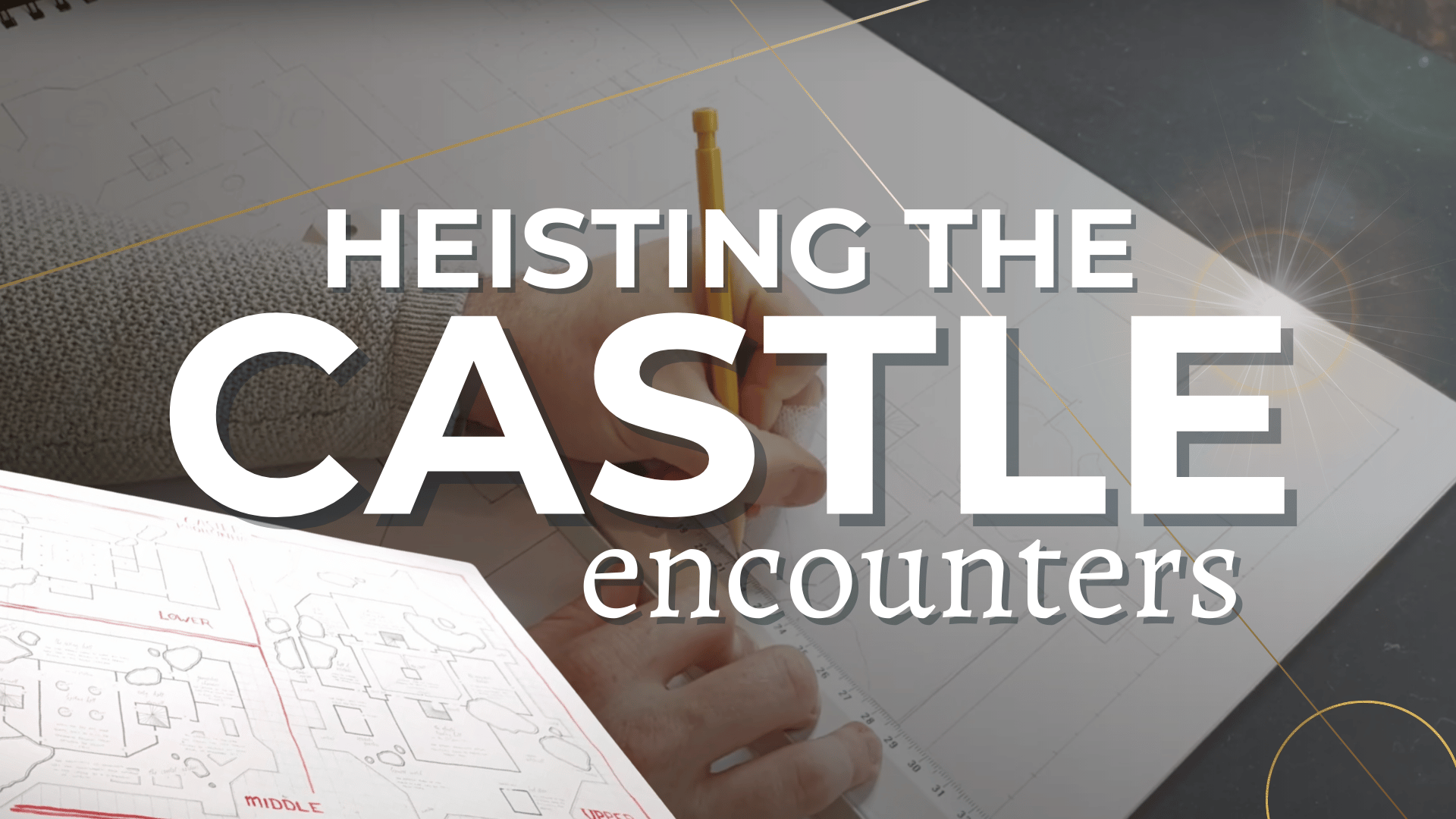
Let’s move from theory to practice. In this section, I’ll walk you through the process of drawing your castle map, starting with the overall layout and then moving into the details that make each section unique and functional.
1. Outlining the Castle’s Perimeter:
Begin by sketching the outer walls. These should enclose the entirety of the castle’s primary structures. If you’re using a digital tool, start with a large rectangle or oval to represent the walls, then add in the main gate and any towers. If you’re drawing by hand, use light strokes to allow for adjustments as the design develops.
2. Designing the Main Structures:
Within the walls, start mapping out the main structures: the keep, the barracks, the stables, and any other significant buildings. The keep should be central and well-protected, while other structures should be placed with both accessibility and defense in mind. Remember to include courtyards or open spaces where necessary.
3. Layering the Floors:
A castle map often requires multiple levels. For simplicity, start with the ground floor and consider how each subsequent floor will connect. Stairs, ladders, and even hidden trapdoors should be placed logically to ensure that movement between floors is both intuitive and strategic.
4. Multiple Layers and Routes:
Think about how to create layers of defense. A secondary wall around the keep, for instance, can add depth to the map. Include multiple routes into key areas, such as secret tunnels or elevated walkways, which allow for both defensive and stealthy tactics.
5. Detailing Defensive Structures:
Add details like arrow slits, murder holes, and traps to make the castle truly formidable. These elements not only enhance the visual appeal of the map but also provide tactical options for both defenders and attackers.
6. Establishing a Visual Theme:
Your castle should have a distinct visual style that reflects its narrative purpose. For example, a fortress on the Plane of Earth might use earthy tones, with rugged, angular architecture. Incorporate these elements into your design through consistent color choices and detailing.
7. Telling a Story through Design:
Consider how the architecture and decoration tell a story. Are there signs of recent battles, or is the castle in pristine condition? Are there banners or insignias that indicate who controls the fortress? These details can add depth to your map and make the setting more immersive for your players.

The Fortress Vault
Now, let’s bring it all together in a case study. The players have been pursuing the Jewel of the Moment, and their quest has led them to this fortress. Somewhere deep within, in a heavily guarded vault, lies the next clue. But getting there won’t be easy. The castle is not just a physical obstacle, but a narrative one as well, with its own history, defenses, and inhabitants that all play a role in how the players interact with it.
1. Setting Up the Scenario:
Begin by introducing the players to the castle’s exterior—a foreboding structure that rises from the stony ground, with walls that seem to merge seamlessly with the earth. The entrance is heavily guarded, and the players must decide how they will approach the fortress. Will they attempt a frontal assault, or will they seek out a hidden entrance?
As they plan their infiltration, make sure to emphasize the scale and complexity of the fortress. The castle should feel like a living entity, with guards patrolling the walls, servants bustling about their duties, and perhaps even the occasional visiting dignitary or merchant. This adds layers of depth and realism to the setting, making the players’ choices feel more consequential.
2. Multi-Phase Encounter:
The fortress vault is located in the deepest part of the castle, protected by layers of defenses and guarded by the Dao Marcher Lord himself. To reach it, the players must overcome a series of challenges, each one testing different aspects of their abilities.
Phase One: The Infiltration
The first phase involves getting into the castle. This could be a stealth mission, where the players avoid detection by guards and bypass traps, or it could be a direct assault, where they fight their way through the outer defenses. Consider using different areas of the castle to create varied encounters—a narrow bridge over a chasm, a dark and winding corridor, or a grand hall filled with guards. Each area should offer unique challenges and opportunities for creative problem-solving.
Phase Two: The Inner Sanctum
Once inside, the players must navigate the castle’s interior. This phase focuses on exploration and puzzle-solving. The castle is filled with hidden passages, secret doors, and ancient mechanisms that control everything from trapdoors to portcullises. The players might need to find clues hidden in ancient texts, decipher cryptic murals, or manipulate statues to unlock the path forward. The atmosphere should be tense, with the ever-present danger of discovery by the guards or the Dao Marcher Lord himself.
Phase Three: The Vault
The final phase is the confrontation in the vault. The players have made it through the castle’s defenses, but now they must face the Dao Marcher Lord and his elite guard. The vault is a large, open space, perfect for a climactic battle. The players might find themselves fighting not only the Dao Marcher Lord but also dealing with traps and environmental hazards within the vault itself. Perhaps the floor is unstable, or the walls begin to close in as the fight progresses. This encounter should be designed to challenge the players both tactically and strategically, forcing them to use everything they’ve learned to succeed.
3. Balancing Stealth and Action:
One of the key aspects of this scenario is the balance between stealth and action. A well-designed castle map allows players to approach situations in multiple ways. They might choose to sneak past guards, disable traps, and quietly make their way to the vault. Alternatively, they could go in with swords drawn, fighting their way through the castle. Both approaches should be viable, but each comes with its own risks and rewards.
For example, stealth might allow the players to gather valuable information or catch the Dao Marcher Lord off guard. On the other hand, a more aggressive approach might force the players into a series of tough battles, but also weaken the castle’s defenses, making the final encounter easier. The key is to design the map in such a way that it supports both styles of play, allowing the players to choose their own path.
4. Pacing the Dungeon Crawl:
Pacing is critical in a dungeon crawl, especially one as complex as this. Too many encounters in quick succession can overwhelm the players, while too few can lead to a loss of tension. The goal is to maintain a steady rhythm of exploration, puzzle-solving, and combat, with occasional moments of respite to allow the players to regroup and plan their next move.
Consider breaking the dungeon crawl into distinct sections, each with its own challenges and atmosphere. For example, the outer defenses might be a series of quick, intense encounters, while the inner sanctum is slower-paced, focusing on puzzles and exploration. The final battle in the vault should feel like the culmination of everything the players have faced so far, with high stakes and a dramatic payoff.
5. Creating Tension and High Stakes:
Finally, to truly make this encounter memorable, it’s important to create a sense of tension and high stakes. The players should feel like they are infiltrating a dangerous, heavily fortified structure where one wrong move could spell disaster. Use environmental storytelling to heighten the sense of danger—bloodstains on the floor from previous failed attempts, ominous warnings carved into the walls, or the distant sound of marching boots that grows louder as the players progress.
The final encounter in the vault should be the most intense, with the fate of their quest hanging in the balance. Perhaps the players are not only fighting for the Jewel of the Moment but also racing against time before the Dao Marcher Lord can summon reinforcements or trigger a catastrophic trap. The goal is to create a climactic moment that feels earned, where the players’ success is the result of their skill, strategy, and teamwork.

Creating a castle gridmap is a complex but rewarding process, one that combines architectural design, strategic gameplay, and immersive storytelling. In this episode, we’ve explored the principles of defensive architecture, the practical steps of drawing a multi-layered castle map, and how to populate it with challenging encounters and intriguing NPCs.
The Dao Marcher Lord and his fortress are just one example of how you can integrate a castle map into your campaign’s narrative. Whether your players are storming the gates or sneaking through secret passages, the key is to create a map that is both visually compelling and mechanically engaging.
As you work on your own castle gridmaps, remember to balance realism with gameplay, provide multiple routes and strategies for your players, and use the map to tell a story that enriches your campaign world. Castles are more than just fortresses—they are living, breathing environments that can challenge and inspire your players in equal measure.
In our next episode, we’ll be expanding beyond the confines of fortifications to explore open-world gridmaps, where the focus shifts to creating a rich, explorable environment full of dynamic encounters and narrative opportunities. Until then, happy mapping!