
What Tolkien Teaches Us About Mapmaking
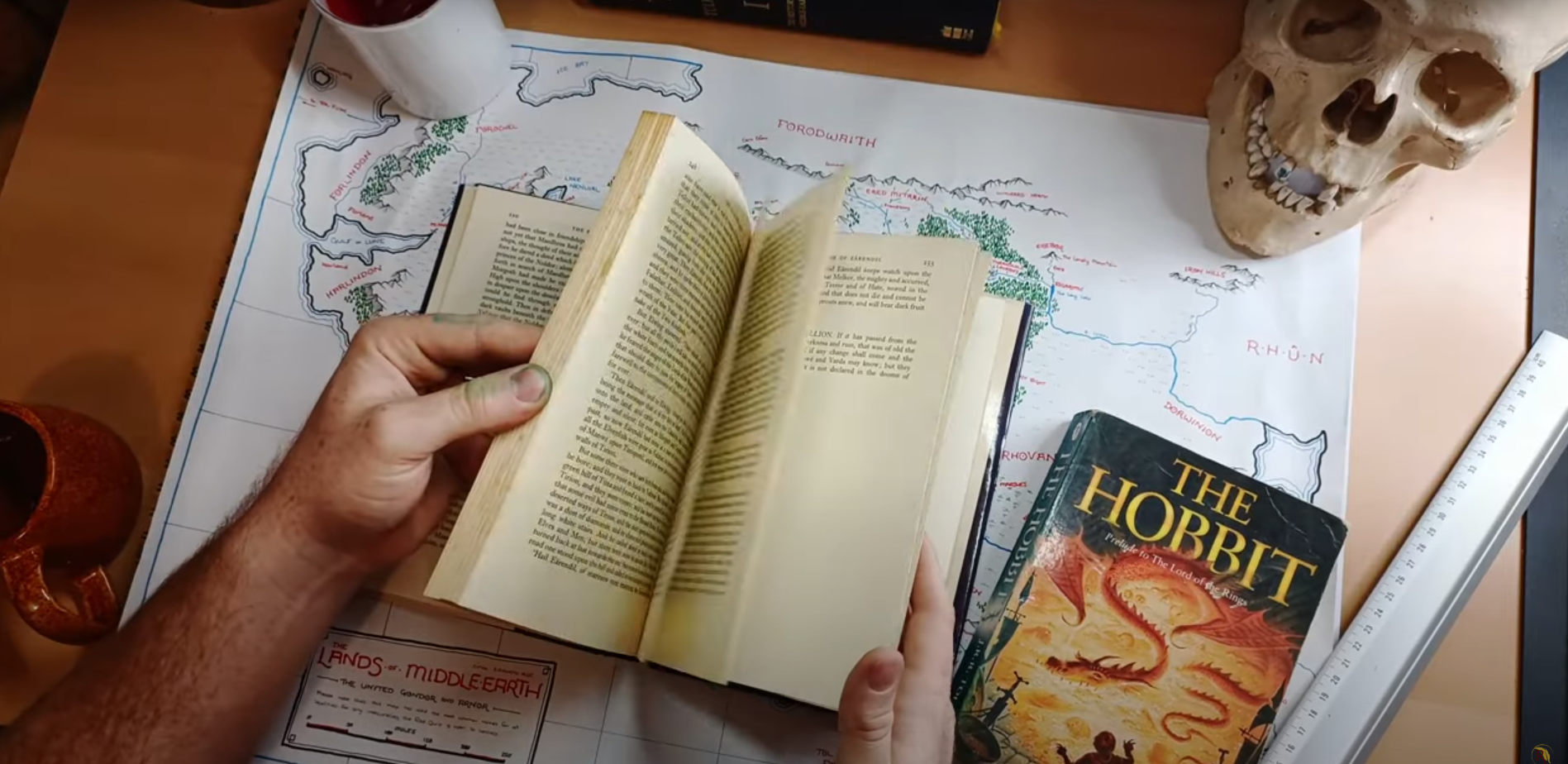
This post is the written version of the video tutorial, What Tolkien Teaches About Mapmaking, on the Red Quills YouTube channel.
J.R.R. Tolkien is rightly celebrated as one of the greatest worldbuilders in fantasy fiction. His meticulous construction of Middle-earth set the standard for immersive, believable secondary worlds. But what often goes underappreciated is how essential mapmaking was to his process. Tolkien didn’t just write stories - he mapped them. And in doing so, he embedded depth, realism, and narrative cohesion into his world.
If you wanted to watch the video itself, you can find it here: What Tolkien Teaches Us About Mapmaking
Or, you can read more at the Red Quills Journal.
In this post, we’ll explore six lessons we can learn from Tolkien’s approach to maps and worldbuilding, drawing directly from his methods to help us create better, more immersive fantasy worlds of our own.
1. Draw the Map Before Writing
Tolkien’s creative process often started with maps. He famously said, “I wisely started with a map, and made the story fit.” For The Lord of the Rings, he mapped out Middle-earth long before fleshing out the details of Frodo’s journey. This approach allowed him to establish the geography of the world first, ensuring that the landscapes, distances, and locations of key landmarks were set before the narrative took shape.
For worldbuilders, this method is invaluable. A well-thought-out map provides a framework for storytelling. It grounds the setting in reality, ensuring that the physical world isn’t just a backdrop but an active participant in the narrative. It also prevents inconsistencies - if you know where a mountain range is before you start writing, you won’t accidentally move it when your characters need to cross it.
2. Hand-Draw Your Maps for Deeper Worldbuilding
Tolkien didn’t just design maps - he drew them. His hand-drawn maps weren’t just references; they were integral to his creative process. By sketching out Middle-earth himself, he engaged directly with his world, refining its landscapes and details as he worked.
Modern creators have digital tools at their disposal, but there’s still something special about physically drawing a map. The process encourages slow, thoughtful development and often sparks unexpected ideas. Where should rivers flow? Why does this city exist? What challenges do travelers face? By engaging with your world through drawing, you allow details to emerge naturally, enriching your setting in the process.
3. Be Exact About Distances
One of the reasons Middle-earth feels so real is that Tolkien was meticulous about distances. The journey from Hobbiton to Mount Doom isn’t just a vague notion - it’s carefully measured, with travel times and geography accounted for. The result is a world where the distances feel real because they were mapped with precision.
This level of detail enhances believability. If your fantasy world has cities only a day’s ride apart, but their cultures are wildly different, it might break immersion. If a trek across a continent takes a character a week when it should take months, the world’s sense of scale weakens. A good map, paired with consistent distances and logical travel times, strengthens the credibility of your setting.
4. Don’t Be Afraid to Update Your Maps
Even Tolkien revised his maps as he built his world. Early versions of Middle-earth looked quite different from the final versions we see in published works. As his story evolved, he adjusted geography to fit new ideas.
This is a crucial lesson: maps should evolve alongside the worldbuilding process. If you realize that a city needs to be closer to a river for trade reasons, or that a mountain range needs to shift to accommodate a historical event, update your map. Don’t treat it as a rigid document - it’s a living part of your world.
5. Think About What the Landscapes and Sites Represent
Tolkien’s geography wasn’t just about placing mountains and rivers; it was deeply tied to the themes of his world. The Shire represents pastoral comfort and home, while Mordor is an inhospitable, volcanic wasteland reflecting corruption and industrialization. Rivendell is hidden and protected, reflecting its role as a sanctuary.
When designing maps, consider what your landscapes represent. Is a mountain range a barrier protecting an isolated kingdom? Does a desert represent struggle and survival? The terrain should reinforce the themes and cultures of your world.
6. Use Language Effectively
Tolkien was a philologist, and his maps reflect his love of language. The names of places in Middle-earth aren’t random; they follow linguistic consistency and cultural significance. Gondor, Rohan, Mordor - each name fits within its respective culture’s language system.
Applying this to your own maps means thinking about how different cultures name places. Are names based on old legends? Geographic features? Important historical figures? A map full of meaningful names adds another layer of depth to your world.
Final Thoughts
Tolkien’s approach to mapmaking wasn’t just about aesthetics - it was a core part of his worldbuilding process. By drawing maps before writing, handcrafting the details, ensuring accurate distances, allowing revisions, thinking thematically about landscapes, and using language intentionally, he created a world that continues to captivate readers generations later.
If you’re building a fantasy world, take inspiration from Tolkien’s meticulous process. A well-crafted map isn’t just a tool - it’s a gateway to deeper storytelling.
Want to See More?
If you enjoyed this discussion, check out my full video on What Tolkien Teaches About Mapmaking over on YouTube. Let’s dive into the details together and see how we can apply these lessons to our own worldbuilding adventures!