

Making a Lair Gridmap
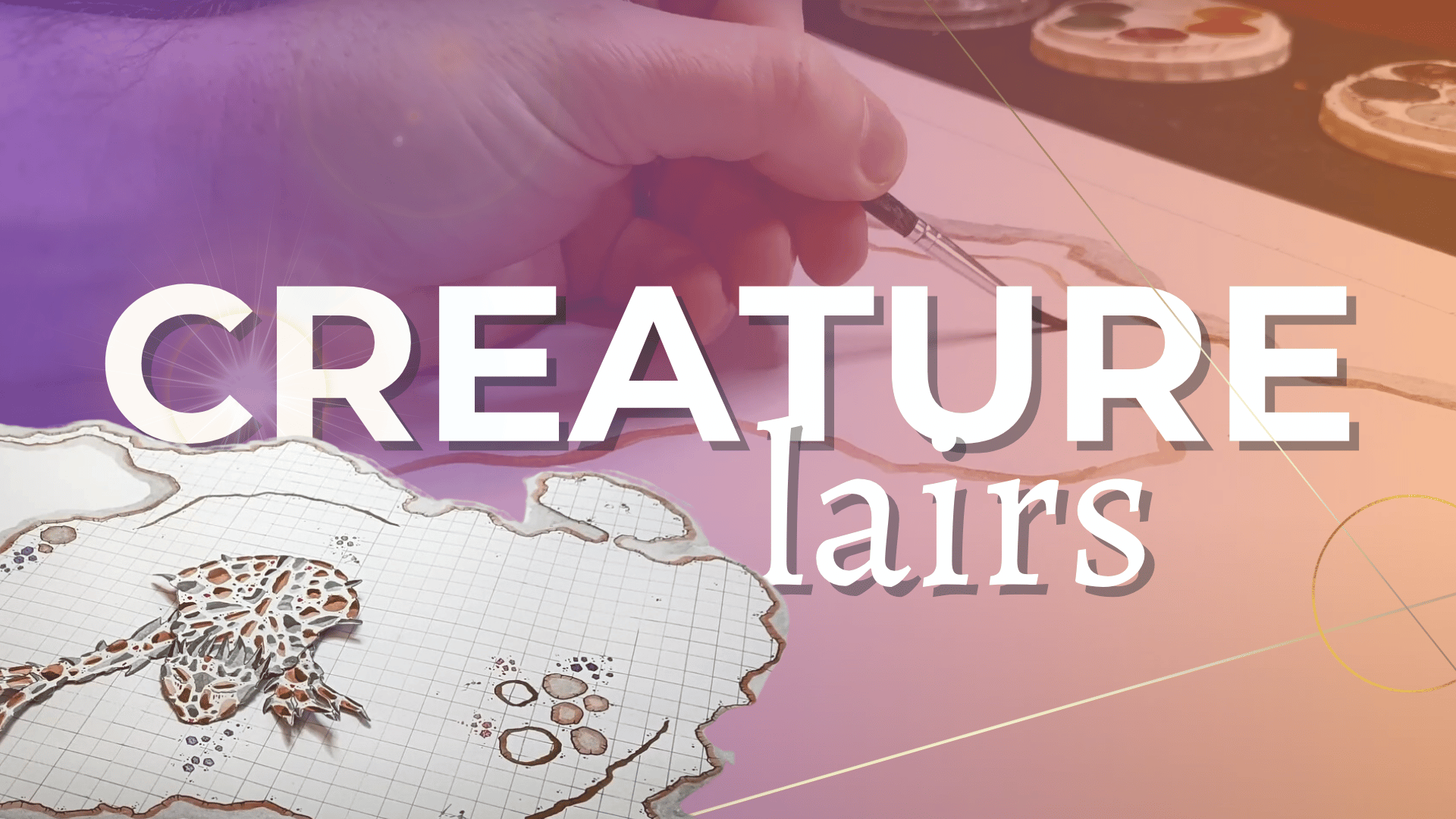
Imagine descending into a cavern so vast it feels like an entire world unto itself. The air is thick with the weight of eons, and the ground trembles beneath your feet as though the earth itself is alive. And in a way, it is—because deep within this ancient, forgotten place lies Ogrémoch, the Primal King of Earth, waiting for the unwary to challenge him.
________________________________________________________________________
If you want to watch the YouTube version of this tutorial, you can find it here: Making a Lair Gridmap
All of the downloadables for this series can be found here: The Red Quills Patreon
Otherwise, if you want to read more, you can find other articles like this here: The Red Quills Journal
________________________________________________________________________
In this episode, we’ll delve into the art of designing a lair that not only challenges your players but also keeps them engaged over multiple sessions. We’ve spent the series building up to this moment—discussing dungeon layouts, encounter design, environmental storytelling, and worldbuilding—and now, it’s time to put it all together.
Whether your players are seasoned adventurers or newer to the game, a lair gridmap offers unique opportunities to push the limits of their creativity, strategy, and endurance. By the end of this episode, you’ll have all the tools you need to craft a dungeon worthy of a megacreature and make it a memorable experience for your players.

The Art of Mega Creature Design
Creating an encounter with a megacreature isn’t just about size—it’s about presence. A megacreature like Ogrémoch isn’t merely a large enemy; it’s a force of nature, a central character in the narrative that defines the environment around it. In this section, we’ll explore the key elements that go into designing a megacreature and how to keep your players engaged from the first moment they lay eyes on it.
Defining the Megacreature:
What exactly is a megacreature? Unlike typical boss monsters, a megacreature is so large that it must be represented as part of the map itself. This goes beyond just stats and abilities; it’s about the visual impact and the way it interacts with the environment.
- Scale and Scope: The megacreature should dominate the battlefield, not just in size but in influence. Its actions should reshape the environment, forcing players to adapt constantly. Consider how the Ogrémoch’s massive limbs might block paths or cause tremors that shift the terrain.
- Behavior and Personality: A megacreature isn’t just a brute; it should have a distinct personality and a set of behaviors that make the encounter feel unique. Is Ogrémoch a slow-moving but unstoppable force? Does he toy with his enemies before crushing them? These traits should inform how you design the encounter.
- Narrative Integration: The megacreature should be deeply tied to the story. Its presence in the dungeon should make sense within the larger narrative, and every aspect of the environment should reflect its nature.
Creating Thematic Layers:
To keep the encounter with a megacreature like Ogrémoch from becoming monotonous, it’s crucial to layer the experience with different phases and themes. This allows you to control the pacing of the encounter and keep players on their toes.
- Phased Encounters: Break the encounter into distinct phases that challenge the players in different ways. For example, the first phase might involve avoiding Ogrémoch’s sweeping attacks while dealing with smaller elemental minions. In the next phase, Ogrémoch might collapse part of the ceiling, creating dangerous terrain that the players must navigate.
- Environmental Storytelling: The dungeon itself should tell a story. Use elements like ancient carvings, crumbling architecture, and the remains of past battles to create a sense of history. This not only adds depth to the encounter but also gives players clues about how to defeat the megacreature.
- Tension and Release: A megacreature battle should have moments of high tension followed by brief periods of respite. This ebb and flow keep players engaged and prevents the encounter from feeling like a grind. Consider moments where Ogrémoch retreats into the earth, forcing players to chase him down or regroup.
Balancing Challenge and Reward:
An encounter with a megacreature should be challenging, but it also needs to feel fair and rewarding. Striking this balance is key to creating a memorable experience.
- Scaling Difficulty: The encounter should scale in difficulty as it progresses. Early stages might focus on positioning and survival, while later stages ramp up the damage output and complexity. Consider adding layers of strategy where players need to weaken Ogrémoch by targeting specific limbs or environmental features.
- Rewarding Ingenuity: Encourage creative problem-solving by embedding environmental features that players can use to their advantage. Maybe there are ancient runes that, when activated, weaken Ogrémoch temporarily, or perhaps the players can collapse a pillar to trap one of his limbs.
- Meaningful Rewards: The rewards for defeating a megacreature should feel significant. This could be powerful artifacts, key story information, or even just the sheer satisfaction of overcoming such a formidable foe. Make sure the players feel that their efforts have been worthwhile.

Constructing the Dungeon of a Mega Creature
Now that we’ve covered the theoretical aspects of designing a megacreature encounter, let’s dive into the practical side of things. In this section, we’ll break down the steps to creating a sprawling dungeon chamber that’s worthy of housing a creature like Ogrémoch.
Mapping the Mega Chamber:
A single-chamber dungeon for a megacreature isn’t just a wide-open space—it needs to be thoughtfully designed to accommodate both the creature’s size and the players’ need for movement and strategy.
- Layout and Structure: Start by designing the main chamber where the bulk of the encounter will take place. This chamber should be large enough to give the megacreature room to move but also filled with obstacles, ledges, and other features that players can use for cover or strategic positioning. Think of it as a battlefield with layers of complexity.
- Entrances and Exits: The placement of entrances and exits is crucial. Players should feel like they’ve entered a lair, not just stumbled into a random room. Consider designing the entrance to gradually reveal the scale of the chamber, building anticipation. Exits, on the other hand, should be strategically placed to allow for tactical retreats or to encourage players to split up.
- Verticality and Movement: Don’t forget to think vertically. Ledges, cliffs, and platforms add depth to the encounter, giving players more options for positioning and strategy. Ogrémoch might have the ability to shift the ground, creating new paths or collapsing old ones. This vertical element makes the battle more dynamic and forces players to think in three dimensions.
Controlling Player Movement:
One of the challenges of designing a megacreature encounter is controlling player movement without making them feel restricted. You want to guide them through the encounter in a way that feels natural and engaging.
- Chokepoints and Corridors: Use chokepoints and narrow corridors to funnel players into specific areas. This allows you to control the flow of the battle and create moments of high tension. However, be careful not to overuse this technique—players should still feel like they have the freedom to explore.
- Layering Challenges: Introduce layers of challenges that players must overcome to progress. This could be anything from environmental hazards (like collapsing ceilings) to puzzle-like elements that require teamwork to solve. These challenges keep the encounter from feeling static and encourage players to stay engaged.
- Dynamic Terrain: Incorporate dynamic terrain features that change throughout the encounter. For example, as Ogrémoch takes damage, parts of the chamber might collapse, opening new pathways or cutting off old ones. This keeps the players on their toes and forces them to adapt their strategies on the fly.
Embedding Puzzles, Traps, and Secrets:
A dungeon for a megacreature isn’t just about combat—it’s also an opportunity to test your players’ problem-solving skills. By embedding puzzles, traps, and secrets within the chamber, you can add depth to the encounter and reward clever thinking.
- Puzzle Mechanics: Consider incorporating puzzles that players must solve to weaken Ogrémoch or gain a strategic advantage. For example, activating ancient mechanisms might cause parts of the chamber to collapse on Ogrémoch, dealing damage or restricting his movement.
- Traps and Hazards: Traps aren’t just for players—use them to create environmental hazards that can affect both the players and Ogrémoch. For example, unstable platforms might collapse if Ogrémoch steps on them, creating dangerous terrain for everyone involved.
- Hidden Secrets: Reward exploration by hiding secrets throughout the chamber. These could be powerful items, ancient lore, or even shortcuts that allow players to bypass certain challenges. These secrets encourage players to explore every corner of the chamber, adding a layer of depth to the encounter.

The Final Descent
To bring everything we’ve discussed together, let’s walk through a case study that illustrates how to design an epic megacreature encounter. In this section, we’ll explore “The Final Descent,” a multi-level encounter where players must navigate a dangerous dungeon chamber to confront Ogrémoch.
Setting the Stage:
“The Final Descent” begins with the players entering the vast, ancient chamber where Ogrémoch resides. The air is thick with dust, and the ground trembles beneath their feet as they approach the heart of the dungeon.
- Building Anticipation: Use environmental storytelling to build anticipation as the players make their way to the final chamber. Ancient carvings on the walls tell the story of Ogrémoch’s rise and fall, and the remains of past battles hint at the dangers that lie ahead.
- Initial Encounter: As the players enter the chamber, they’re met with a wave of elemental minions, testing their abilities before they face Ogrémoch himself. This initial encounter sets the tone for the battle and gives players a taste of what’s to come.
Navigating the Chamber:
Once the initial wave of enemies is defeated, the players must navigate the chamber to reach Ogrémoch. This is where the environmental challenges and dynamic terrain come into play.
- Dynamic Terrain: As the players move deeper into the chamber, the terrain shifts and changes. Fissures open up, creating deadly drops, while sections of the ceiling collapse, forcing players to adapt their strategies.
- Environmental Puzzles: Along the way, the players encounter environmental puzzles that they must solve to progress. These puzzles might involve activating ancient mechanisms or finding hidden paths that lead to strategic vantage points.
- Splitting the Party: To increase the tension, consider designing parts of the chamber that force the party to split up. This adds an element of risk and forces players to work together to overcome challenges.
The Final Confrontation:
Finally, the players reach the heart of the chamber, where Ogrémoch awaits. This is the culmination of their journey, and the battle should feel epic and climactic.
- Phased Battle: The battle with Ogrémoch should be divided into distinct phases, each with its own challenges. The first phase might involve weakening his defenses, while the second phase ramps up the intensity with more powerful attacks and environmental hazards.
- Narrative Moments: Throughout the battle, incorporate narrative moments that remind players of the stakes. Perhaps Ogrémoch taunts the players, revealing his true motivations, or maybe they discover a hidden truth about his past that changes their perspective.
- Epic Conclusion: The battle should end with a satisfying conclusion that ties up the narrative threads. Whether the players defeat Ogrémoch or make a different choice, the outcome should have lasting consequences for the campaign.

As we bring this episode—and the entire series—to a close, let’s recap the key techniques for designing a dungeon for a megacreature like Ogrémoch. From creating a dynamic and layered encounter to integrating narrative elements that elevate the battle beyond a simple fight, these tools will help you craft epic confrontations that captivate your players over multiple sessions.
Remember, this isn’t just the end of the series—it’s the beginning of a new chapter in your worldbuilding and campaign design. The principles we’ve discussed throughout these episodes can be applied to future adventures, from the first tavern to the final battle.
And with that, I invite you to take these lessons and forge your own legendary campaigns. Thank you for joining me on this journey, and I can’t wait to see the worlds you create.